What to order at Chipotle on GLP-1 depends on what is available today and what feels manageable for you, so start with the current menu and choose the base, protein, and add-ons as separate decisions. For people taking a GLP-1 medication, GLP-1 medications are prescription medicines that can affect appetite, fullness, or food comfort for some people; they do not create one prescribed restaurant diet.
Fast-casual menus change, labelled items come and go, and your own appetite can differ from one week to the next. A method travels better than a screenshot of someone else's order. This guide walks through that method using what Chipotle's official channels currently show.
Is Chipotle a Practical Option on GLP-1?
Start with today's comfort and the current menu
For many people, yes — and the reason is structural rather than nutritional. Chipotle is built around assembly: you pick a format, a base, a protein, and then add or skip each topping one at a time. That matters on GLP-1 treatment because appetite and fullness can shift quickly, and a meal you can scale down or simplify at the point of ordering is easier to live with than a fixed plate.
The joint advisory from the American College of Lifestyle Medicine, the American Society for Nutrition, the Obesity Medicine Association, and The Obesity Society supports individualized nutrition priorities during GLP-1 treatment rather than one correct restaurant order. Qualified individual support and your own tolerance on a given day carry more weight than any single menu item.
The realistic question is not "what is the healthiest thing at Chipotle?" It is "what can I order today that I can eat at a comfortable pace and portion?" Our guide to eating out while on GLP-1 treatment uses the same normal-week framing.
Start With the Current Chipotle Menu
Availability can change
Every Chipotle decision starts before you reach the counter, with a thirty-second check of what is actually on offer. Menus change. Limited items rotate in and out, labelled combinations get added or paused, and what a friend ordered last month may not exist today.
As of September 2, 2026, Chipotle's official GLP-1 support page displayed GLP-1-labelled high-protein combinations while also marking preset items temporarily unavailable. That is a useful illustration of why the check matters: even items created with GLP-1 users in mind are not guaranteed to be there when you walk in. Availability can vary by location and can change without notice, so treat any labelled combination as a nice find rather than a plan you depend on.
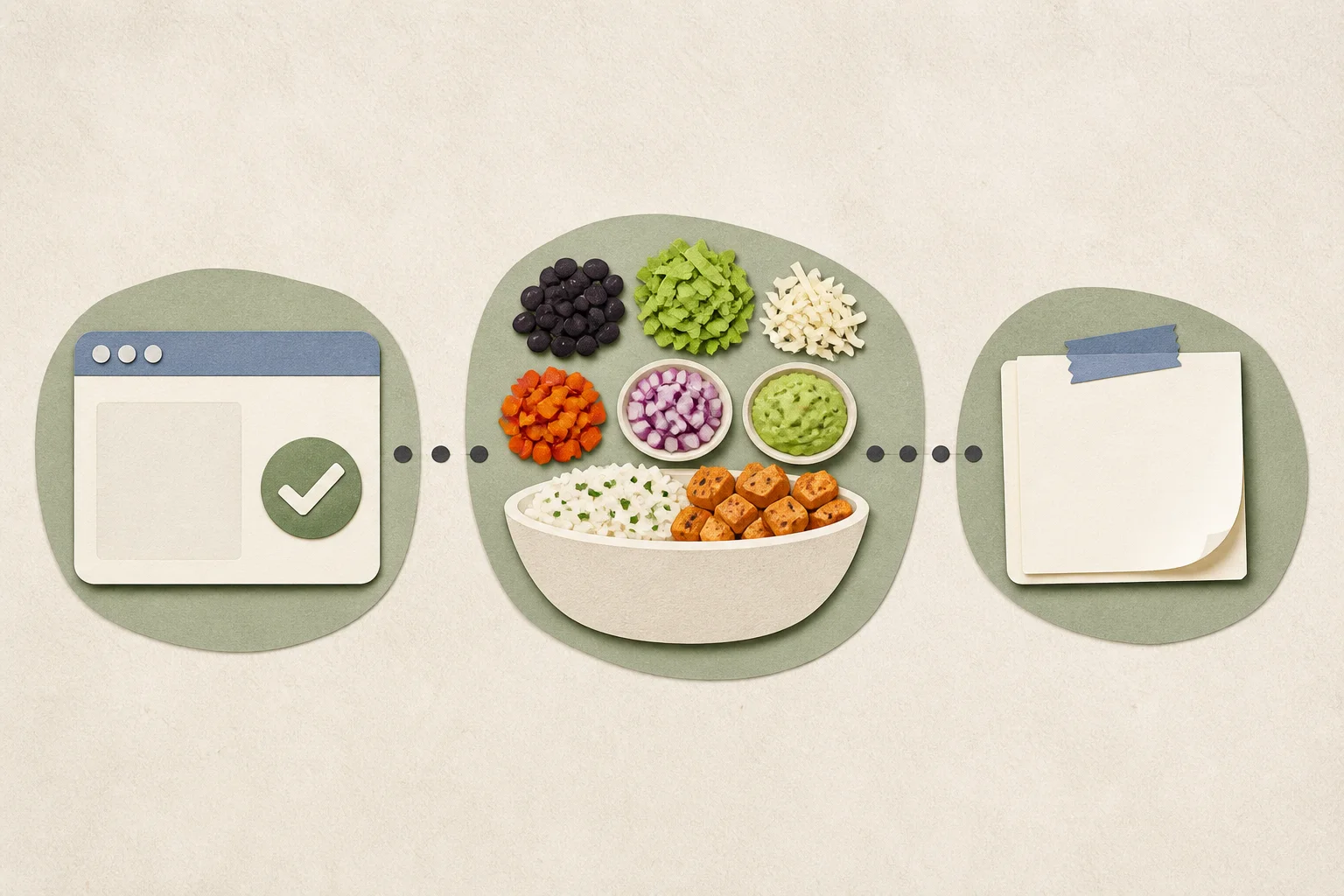
Before you order, open Chipotle's official site or app and check the current menu and nutrition information. Confirm that the components you have in mind are actually available before you reach the counter.
Choose a Base and Protein That Fit Today
Build from components rather than a fixed bowl
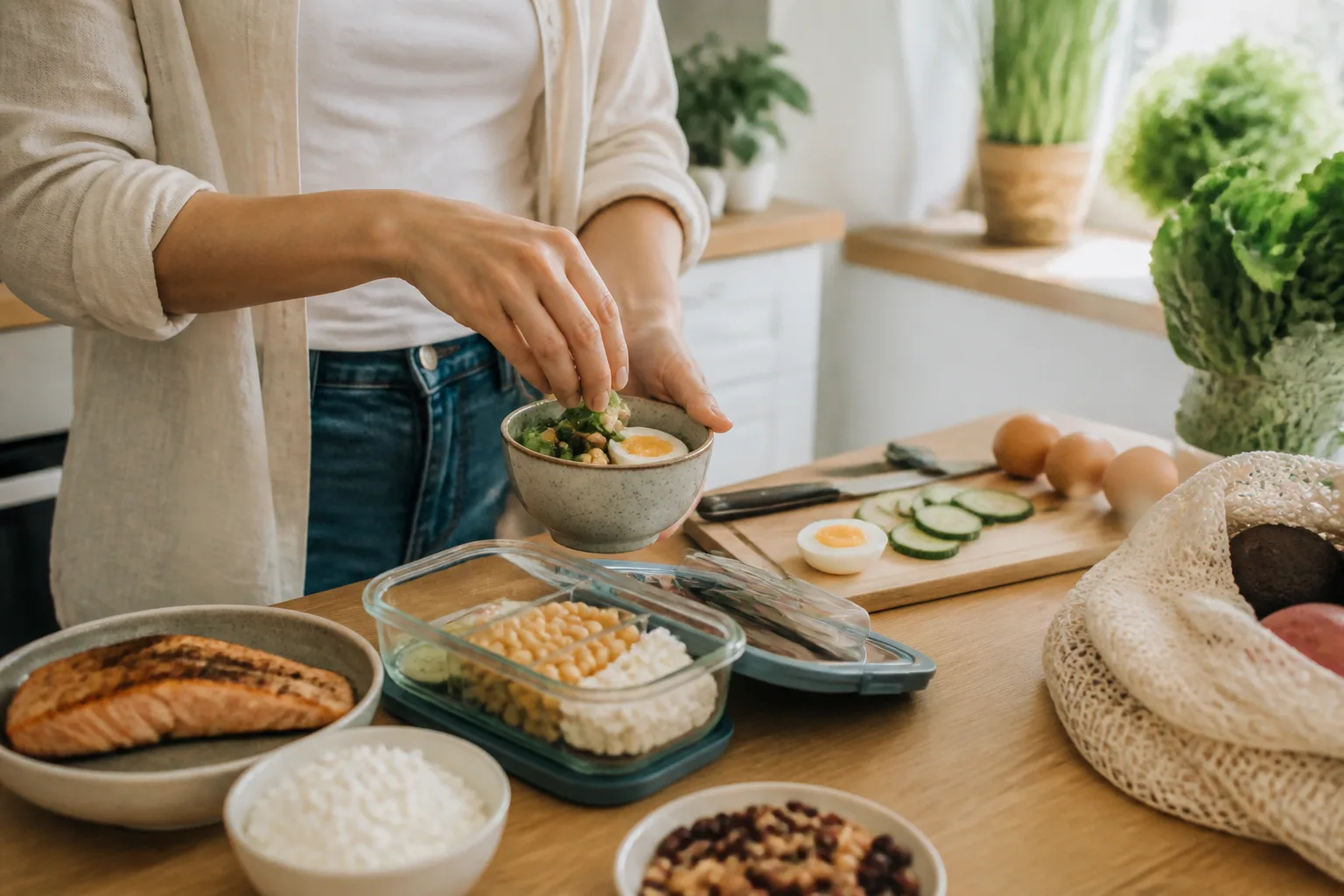
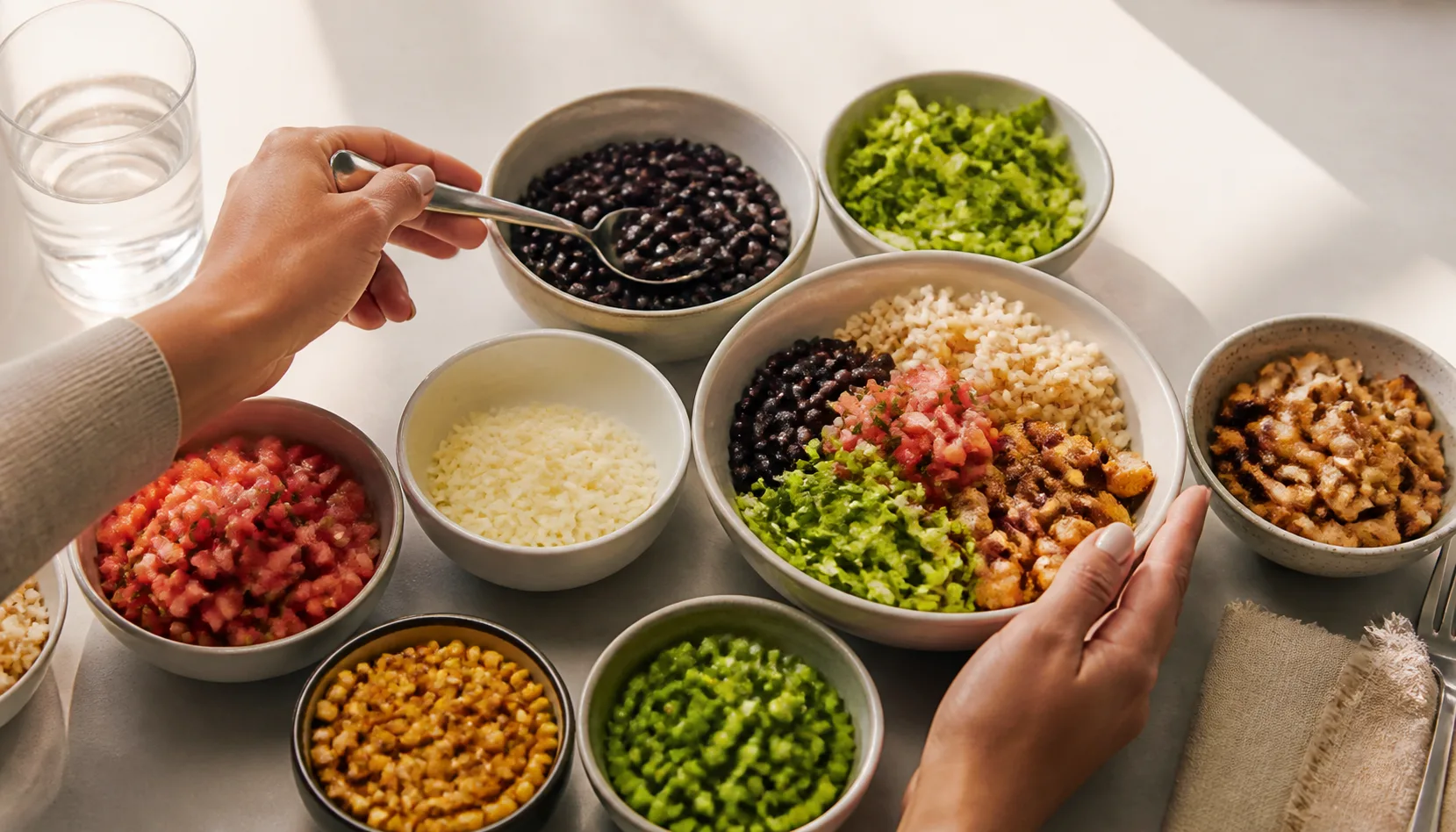
This is the heart of the method: treat the order as three separate decisions — base, protein, add-ons — instead of one big decision called "the bowl." Separating them keeps each choice small, and small choices are easier to adjust when your appetite is unpredictable.
Start with the base, which is really a choice about format and volume. A bowl is the most flexible because everything sits in one container and leftovers travel well. A salad keeps the same components in a lighter frame. Tacos split the meal into discrete units, which some people find easier to pace — you can eat one and reassess before the second. None of these is inherently correct; the right base is the one that matches how much food feels realistic right now.
Then choose a protein option if protein is one of the things you are tracking. The piece on getting enough protein while on GLP-1 explains why protein can be useful context for a meal. As a concrete example of checking official numbers rather than guessing: on September 2, 2026, Chipotle's official high-protein page listed an Adobo Chicken High Protein Cup as 32 grams of protein and 180 calories. That is current US menu information only, and it can change — the point is not the cup itself, but that a labelled, protein-forward item with published numbers is the kind of thing worth looking for when you check the menu that day.
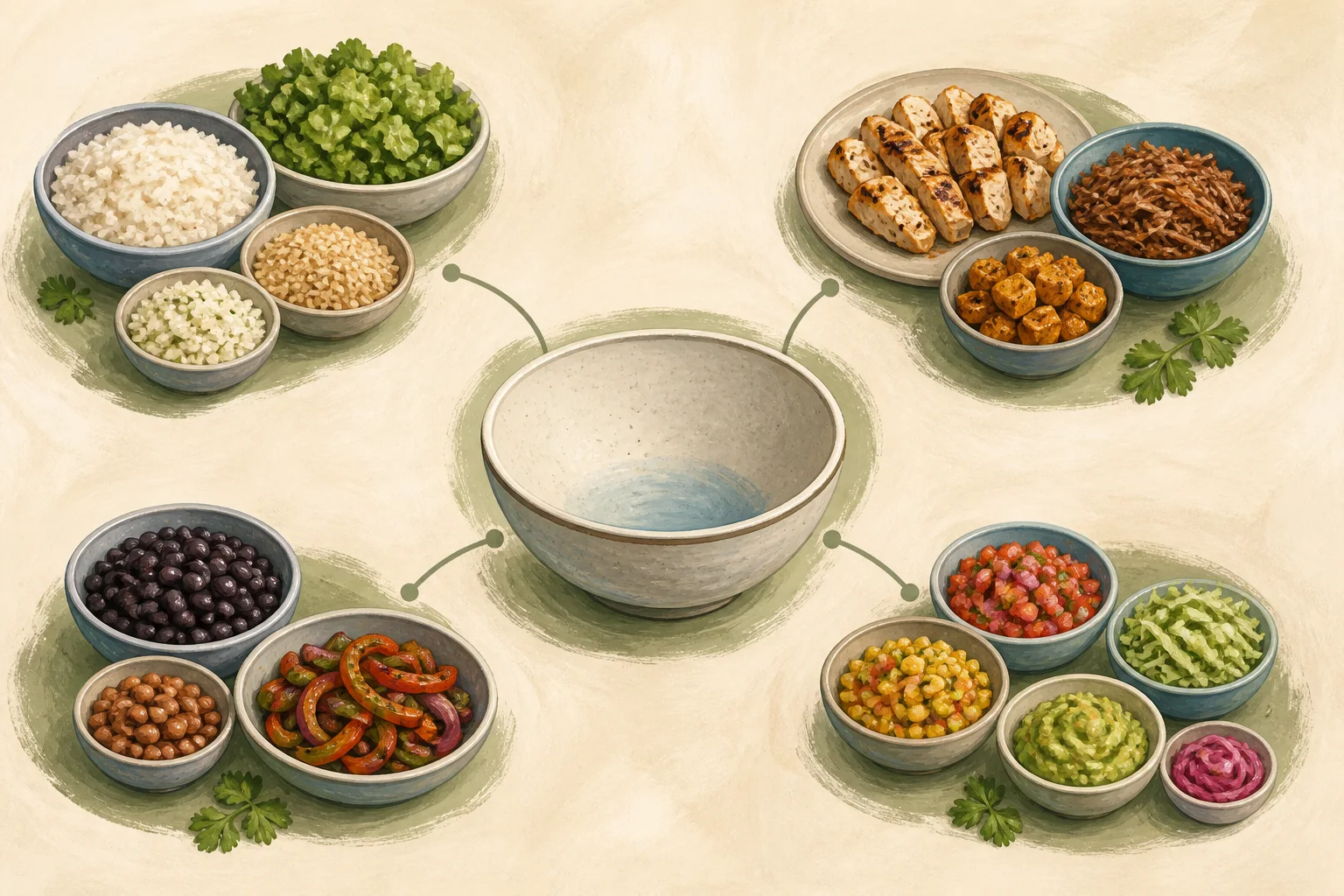
Finally, the add-ons. This is where personalization matters most, because tolerance varies: some people find rich, heavy toppings sit less comfortably on GLP-1, while others have no issue at all. Pick the add-ons you genuinely enjoy and know you tolerate, skip the ones you only ever eat out of habit, and let the total stay modest enough that finishing most of the protein part feels achievable. If you want a wider frame for how pieces like this fit together across a whole day, our GLP-1 nutrition guide covers the bigger picture.
Three Order Paths for Different Days
Appetite feels usual
Because GLP-1 appetite is not constant, it helps to hold a few loose patterns in mind rather than one fixed order. These are not prescriptions — they are starting points you adjust with the current menu and your own day.
Path one: the steadier day. Your appetite feels close to normal and you want a full, satisfying meal. Build a standard bowl or salad with the base you prefer, a protein you actually like, and a moderate set of add-ons. Eat the protein early in the meal while you are still comfortably hungry, and let the rest be optional. This is the day where a labelled high-protein combination, if the current menu has one available, can be a convenient shortcut — check first, since preset items may be temporarily unavailable.
Appetite feels smaller
Path two: the low-appetite day. Food feels like work and a full bowl looks like too much. Shrink the decisions: choose the smallest workable format, put protein first in your mind and in the container, and keep add-ons to the few that make the meal appealing rather than complete. Tacos can suit this day because one taco is a legitimate stopping point. The goal here is not a balanced plate; it is a meal you can start without dreading.
Plant-forward preference
Path three: the plant-forward preference. Choose the plant-based components that appeal to you, then add a protein option if that fits your preferences and the current menu. Keep the format and portion adjustable; a bowl can make it easier to save part for later, while tacos can create a natural stopping point.
All three paths stay flexible: there is no fixed calorie target or universal best order. The path you pick responds to your appetite that day.
What to Do With a Portion You Do Not Finish
The order is not the same as the meal
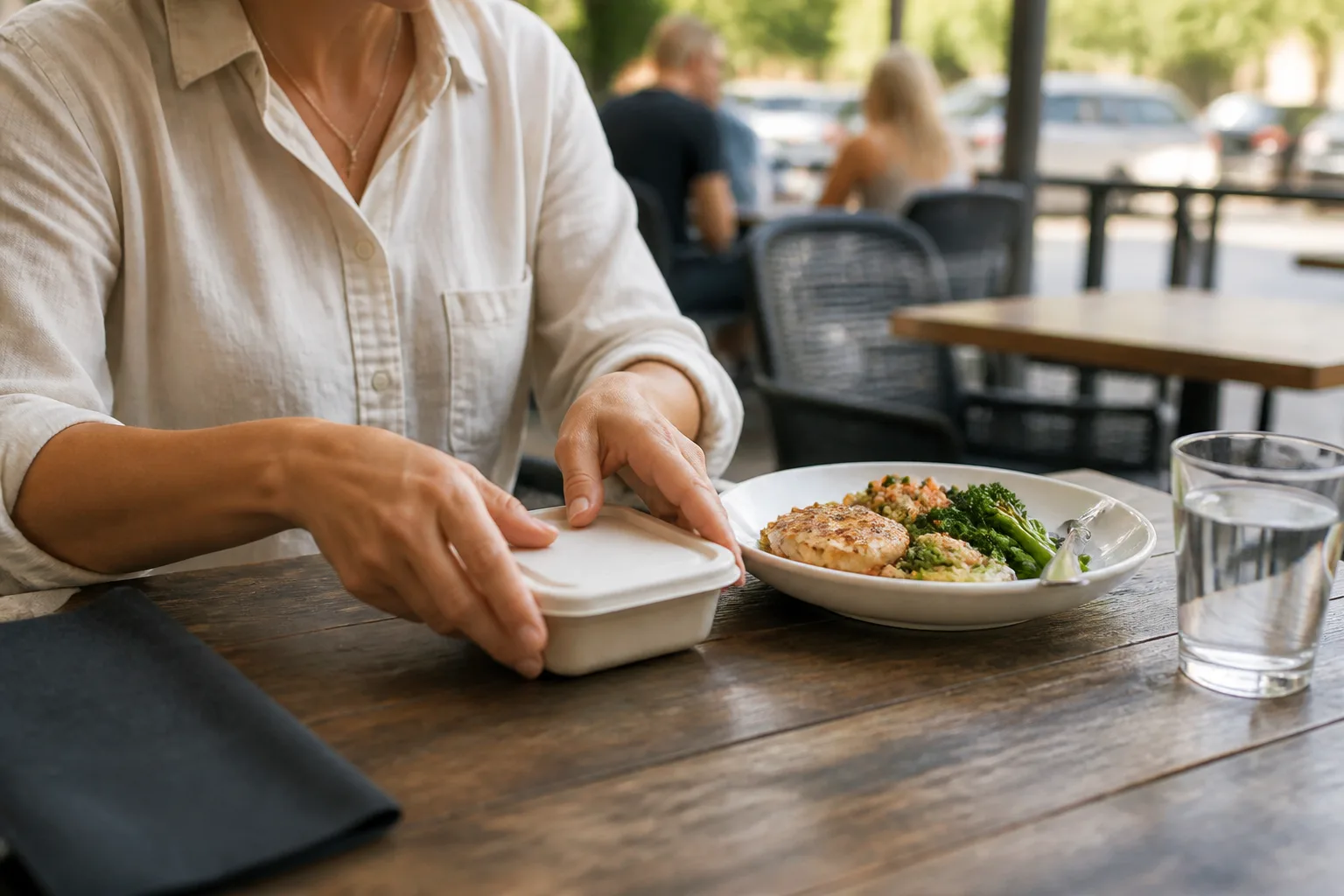
Not finishing is normal on GLP-1 treatment, and at Chipotle it is easy to handle gracefully because the food is already in a portable container. When you notice comfortable fullness, stop. That signal is information, not failure. Trying to push past it to "get your money's worth" tends to make the next few hours less pleasant and teaches you nothing useful.
If the remainder will keep, pack it and refrigerate it promptly when you get home — the protein portion especially is often the part worth saving, since it reheats as a reasonable small meal on its own. If the remainder is mostly toppings you picked around, it is fine to let it go. A meal's value came from the part that nourished you, not from an empty bowl.
One small habit helps here: pause and have some water before deciding whether you are truly done. Fullness cues and thirst can blur together on GLP-1, and a few minutes with a glass of water often clarifies which one you were feeling. Our piece on hydration habits during GLP-1 treatment goes deeper on why that simple pause is worth building into meals.
Keep the Meal Useful in Your Food Record
Record the part you ate
A restaurant meal becomes more useful after you eat it, when it turns into context for next time. This is where Glowise fits in as an organizational companion, not a menu tool.
Glowise keeps meals and protein context together, so a Chipotle order can sit in your day alongside the rest of what you ate rather than as an isolated event. It keeps water, appetite, fullness, and personal notes in the same daily record, which means you can capture the details that actually explain the meal: that you ate the protein first, that you stopped at half, that the tacos were easier to pace than a bowl. And it shows weekly context, so one unusual day reads as one unusual day rather than as a trend you need to fix.
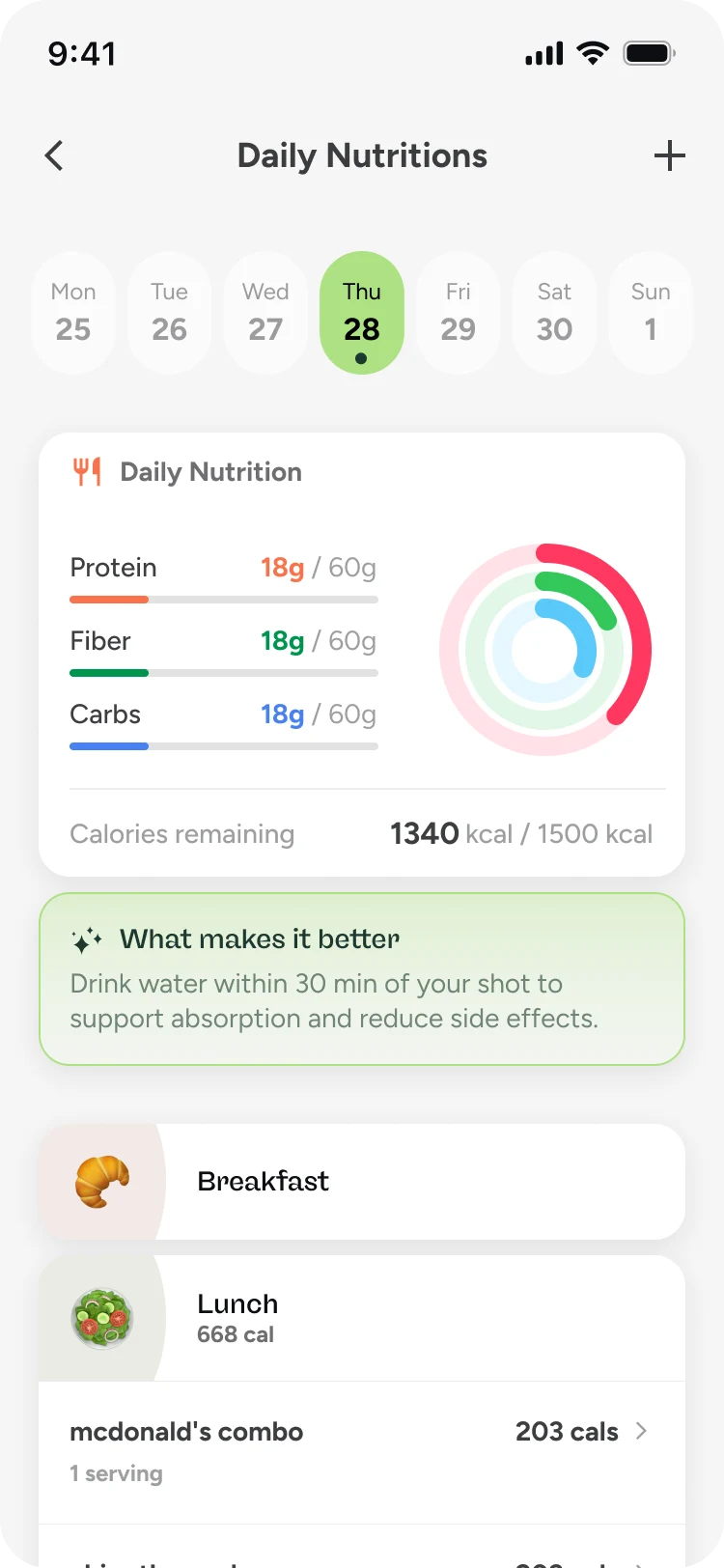
Glowise does not read Chipotle menus, calculate menu macros, or recommend an order. The decision at the counter stays yours, informed by the official menu and qualified individual support where available; Glowise's job is to help you remember what you chose and how it went, so the next choice is a little easier.
The Food and Protein Tracker keeps the meal and optional protein context together with water, appetite, fullness, and personal notes, plus weekly context for review.
Keep the actual meal in view
Record the part of the order you actually finished
Bring food, protein context, water, and a few helpful notes together after a restaurant meal.
The practical takeaway
What to order at Chipotle on GLP-1
- What to order at Chipotle on GLP-1 is a set of separate decisions — base, protein, add-ons — made against today's official menu, not a universal best bowl.
- Check Chipotle's official menu and nutrition information before ordering; labelled items, including GLP-1-marked combinations, can be temporarily unavailable or change.
- Match the format to the day: bowls for flexibility and leftovers, salads for a lighter frame, tacos for paced eating in discrete units.
- Prioritize the protein component and keep add-ons to what you enjoy and tolerate; there is no fixed calorie target that suits everyone.
- Stopping at comfortable fullness is the correct outcome, and saving the protein portion for later is a legitimate plan.
- Recording what you actually ate, plus water, appetite, and fullness notes, turns one meal into useful context for the next one.
Frequently Asked Questions
Is Chipotle a practical option on GLP-1?
Often, because the menu is assembled component by component and can be adjusted to your appetite. There is no single correct order; the joint advisory supports individualized nutrition priorities rather than one restaurant meal. Check the current official menu first and consider your own tolerance.
Do the GLP-1-labelled Chipotle items stay available all the time?
No. On September 2, 2026, Chipotle's official GLP-1 support page displayed GLP-1-labelled high-protein combinations while marking preset items temporarily unavailable. Availability varies and changes, so verify any labelled item through the official menu and nutrition information on the day.
How should I choose between a bowl, salad, or tacos?
Choose by format, not by virtue. A bowl is the most flexible and keeps best if you expect leftovers. A salad offers the same components in a lighter frame. Tacos divide the meal into units, which suits low-appetite days because stopping after one is a natural endpoint. On any of them, pick the protein deliberately and keep add-ons to the ones you genuinely enjoy and tolerate.
What should I do if I do not finish the meal?
Stop when you feel comfortably full — that is the meal working, not failing. If the remainder will keep, pack it promptly and treat the protein portion as a small meal later; if it is mostly picked-around toppings, it is fine to leave it. A pause with some water before deciding can help, since thirst and fullness cues sometimes blur on GLP-1. Note roughly how much you ate so the meal stays useful in your food record.
Sources
- Chipotle GLP-1 support page — viewed September 2, 2026; displayed GLP-1-labelled high-protein combinations and marked preset items temporarily unavailable. Availability can vary or change.
- Chipotle high-protein meals page — viewed September 2, 2026; listed an Adobo Chicken High Protein Cup as 32 grams of protein and 180 calories. Current US menu information only and subject to change.
- ACLM, ASN, OMA, and TOS joint advisory on nutrition and GLP-1 treatment — supports individualized nutrition priorities during GLP-1 treatment and does not establish one correct restaurant order.

About the author
Maya Lee
Glowise Senior GLP-1 Content Editor
Maya Lee is a Glowise Health Content Editor. Her guides turn product records, authoritative sources, and everyday organization questions into clear, practical GLP-1 information.
She helps readers ask better questions and keep the details relevant to a care conversation together.
See more Glowise on Google
Add Glowise as a preferred source to find our GLP-1 guides more easily in Google Search.