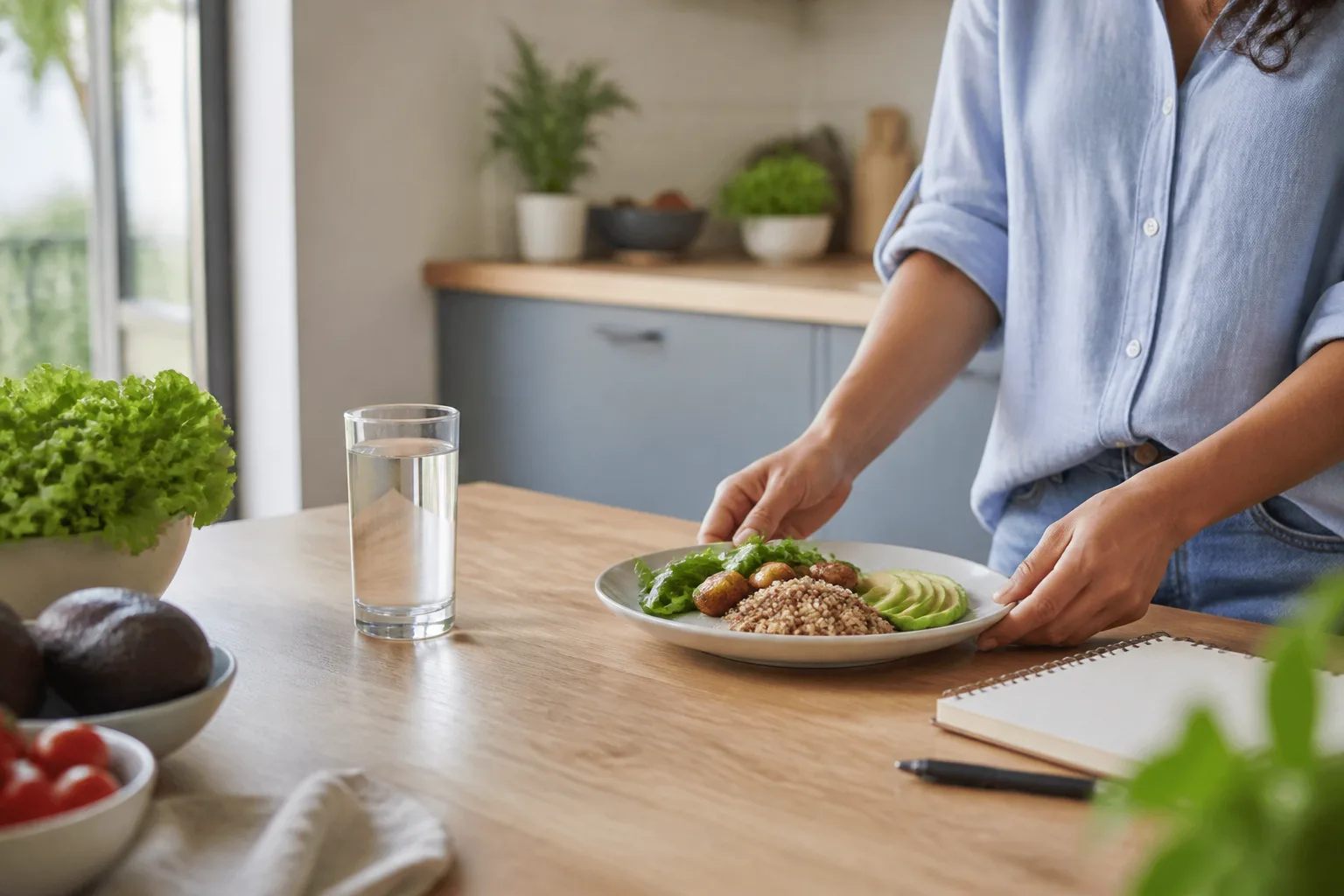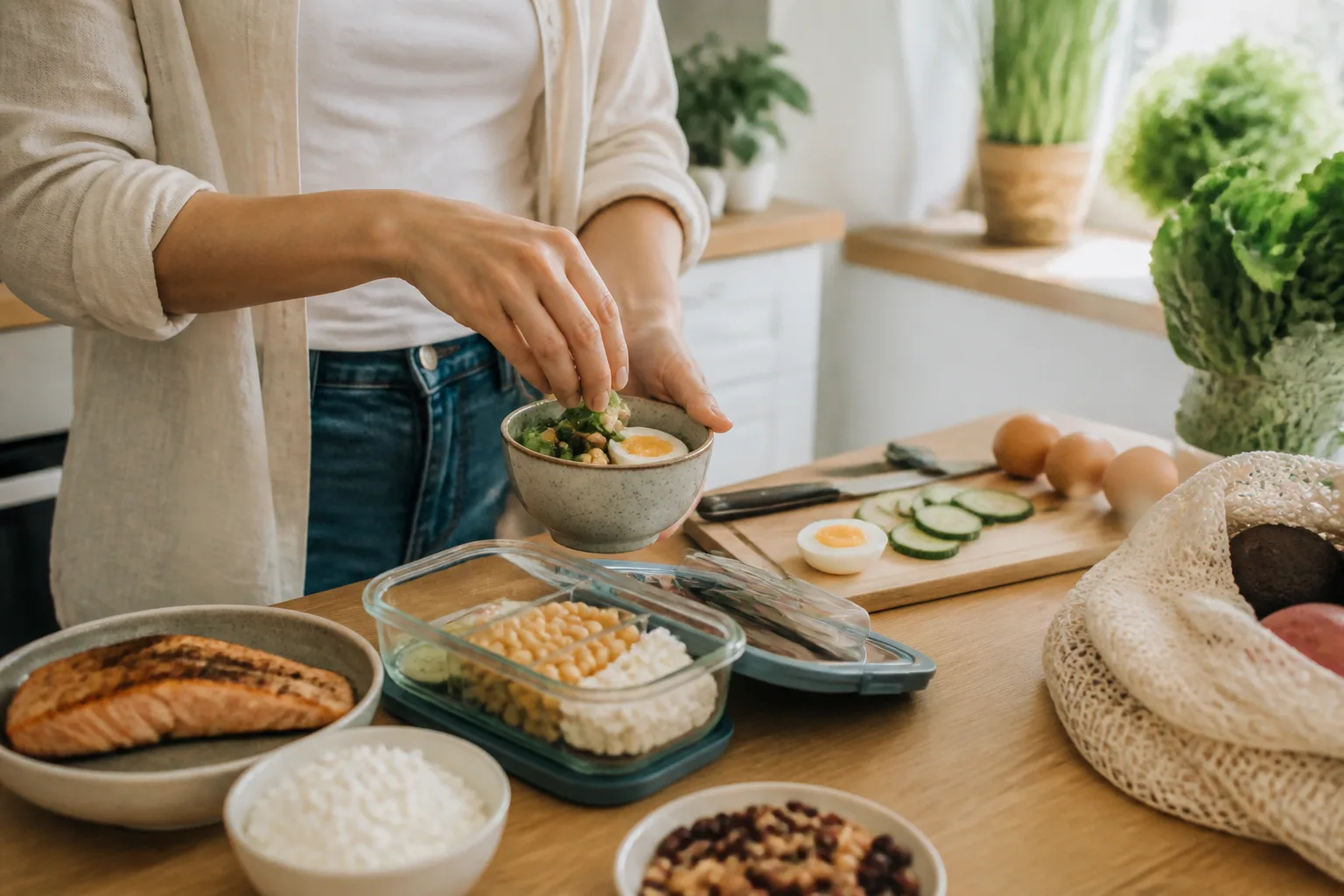
For people taking a GLP-1 medication, protein on GLP-1 is easier to make sense of when you record the food you actually ate, keep protein as optional context, and review a pattern before chasing a number. GLP-1 medications are prescription medicines, and some people notice changes in appetite, fullness, or meal comfort.
Lunch may be a few bites, dinner may be half of what you planned, and memory can flatten both. A calm record keeps the question grounded in what happened rather than in an imagined perfect day.
What Protein on GLP-1 Can and Cannot Answer
The 2025 multi-society advisory identifies adequate protein and individualized nutrition assessment as related priorities during GLP-1 treatment. Individualized is the important word: a record can show what you ate, but it cannot assign the amount that fits your body or health history.
If you want broader context on eating well during treatment beyond protein alone, our GLP-1 nutrition guide for everyday eating covers the wider picture. This article stays narrow on purpose: one nutrient, one habit, one week at a time.
Record Protein With Context
A number without the meal around it is hard to interpret. “Greek yogurt at breakfast, half a chicken wrap at lunch” keeps the day legible.
Record close to the meal when practical: the food, roughly how much you ate, and a word about appetite or fullness if it helps. “Ate half, felt full fast” can be more useful than a precise total reconstructed at night.
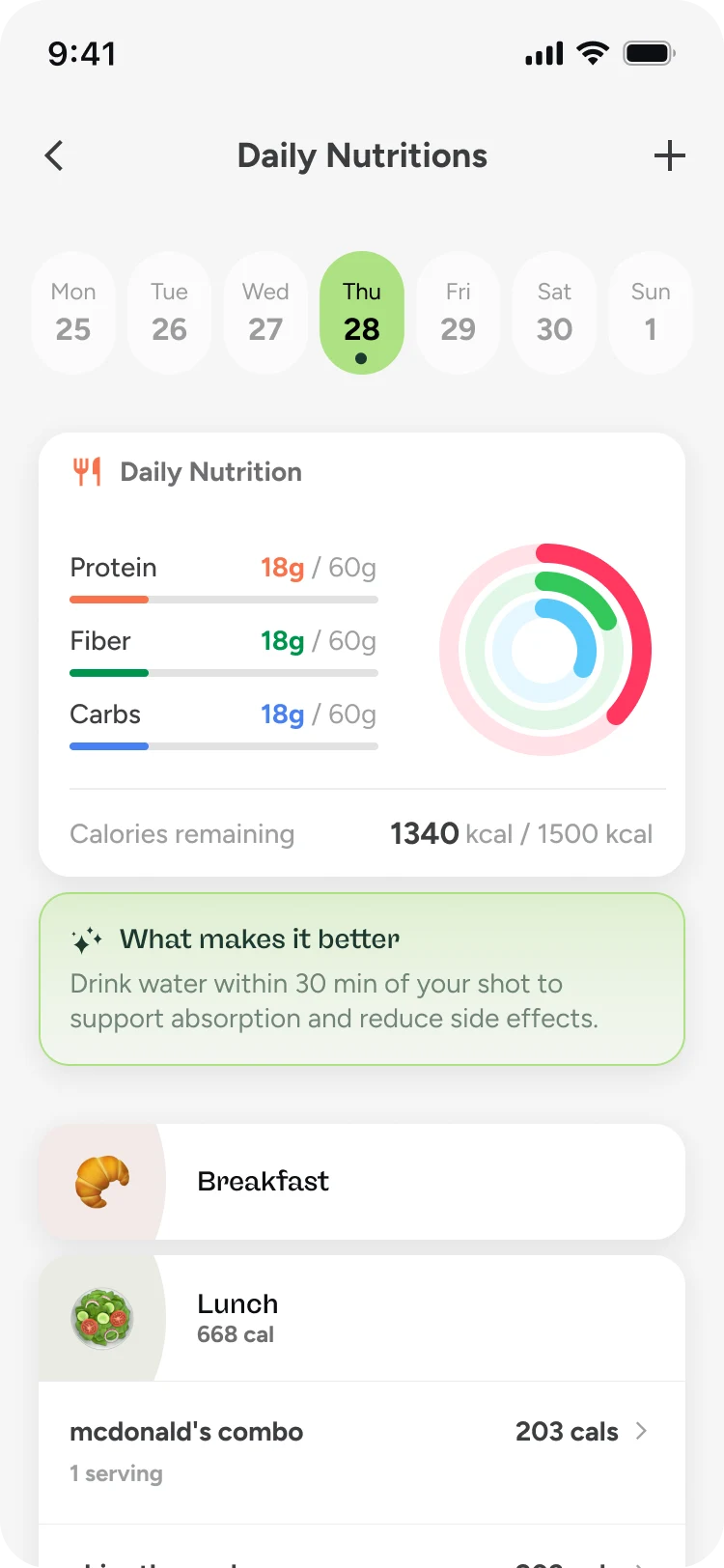
The Food and Protein Tracker keeps meals and protein context together, with water, appetite, fullness, and personal notes in the same daily record. Its weekly context supports a pattern review instead of a memory test. Keep personal protein targets and medical interpretation with qualified individual support where available.
A calmer protein record
Keep the meal you actually ate in view
Bring meals, protein context, water, and the notes that matter into one calm daily record.
Three Days When Protein Feels Harder
Some days resist tidy logging. That is normal, and it is exactly why the record should bend instead of break. Here are three shapes those days tend to take.
The small meal
You planned a real lunch and ate a third of it. On GLP-1, some people find fullness arrives early and without much warning. The temptation is to either skip logging ("it barely counts") or to log the meal as planned rather than as eaten. Both quietly corrupt your record. Log what was eaten — a third of the wrap, two forkfuls of rice — and add the note that mattered: "full after a few bites." A small meal recorded honestly is more useful than a full meal recorded hopefully. If small meals are your everyday reality right now, our low-appetite guide goes deeper on that specific situation.
The no-cook day
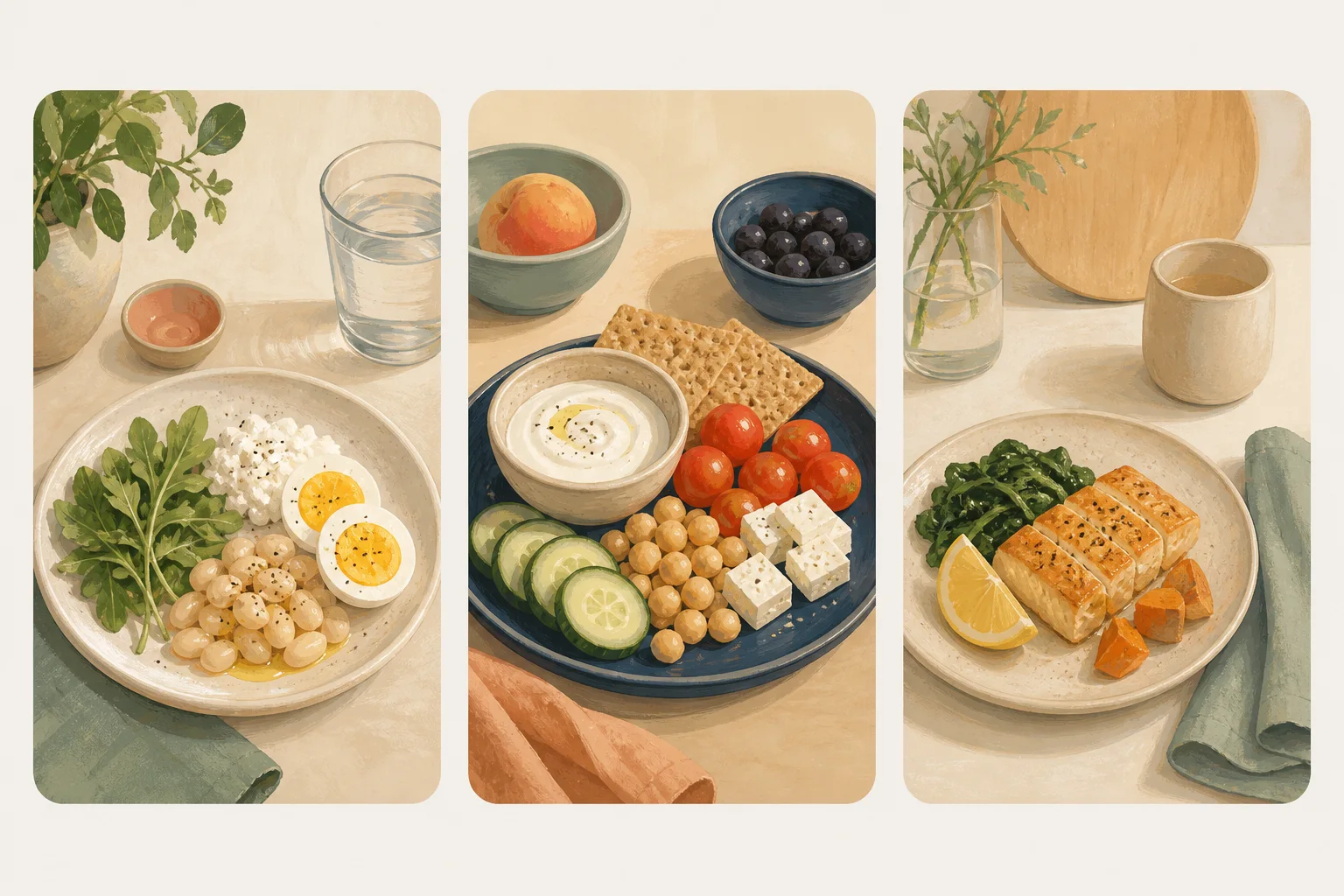
Some days there is no cooking in you, and dinner is a few simple foods. Record them as they are. Naming the actual foods is what lets you see the pattern later.
The day food feels too heavy
Then there are days when food itself feels like work, when even foods you like sit wrong, and protein-rich options feel heaviest of all. Do not force a heroic meal for the sake of the log, and do not leave the day blank either. Record what you managed — a few sips of a smoothie, half a cup of soup — and note how food felt. That note is doing quiet work: if heavy days cluster, your record will show it, and that is exactly the kind of observation worth bringing to a qualified professional.
Keep the Number in Its Place
General ranges can be background context, but they are not a personal prescription. The right amount depends on health history, activity, and other factors a generic article cannot see.
If you want to explore general estimation approaches, the protein calculator is a reference starting point. In your own record, let the meal come first and keep any number secondary.
If you find yourself watching totals across the day more broadly, the same philosophy applies to energy intake — our piece on tracking calories on GLP-1 without obsession makes the case for context-first logging there too.
Review a Week Before You Judge It
A single day can be unusual. A week gives you a better chance to notice repetition before drawing conclusions. Three small lunches with the same “full after a few bites” note may be a useful question; one small lunch is simply one lunch.
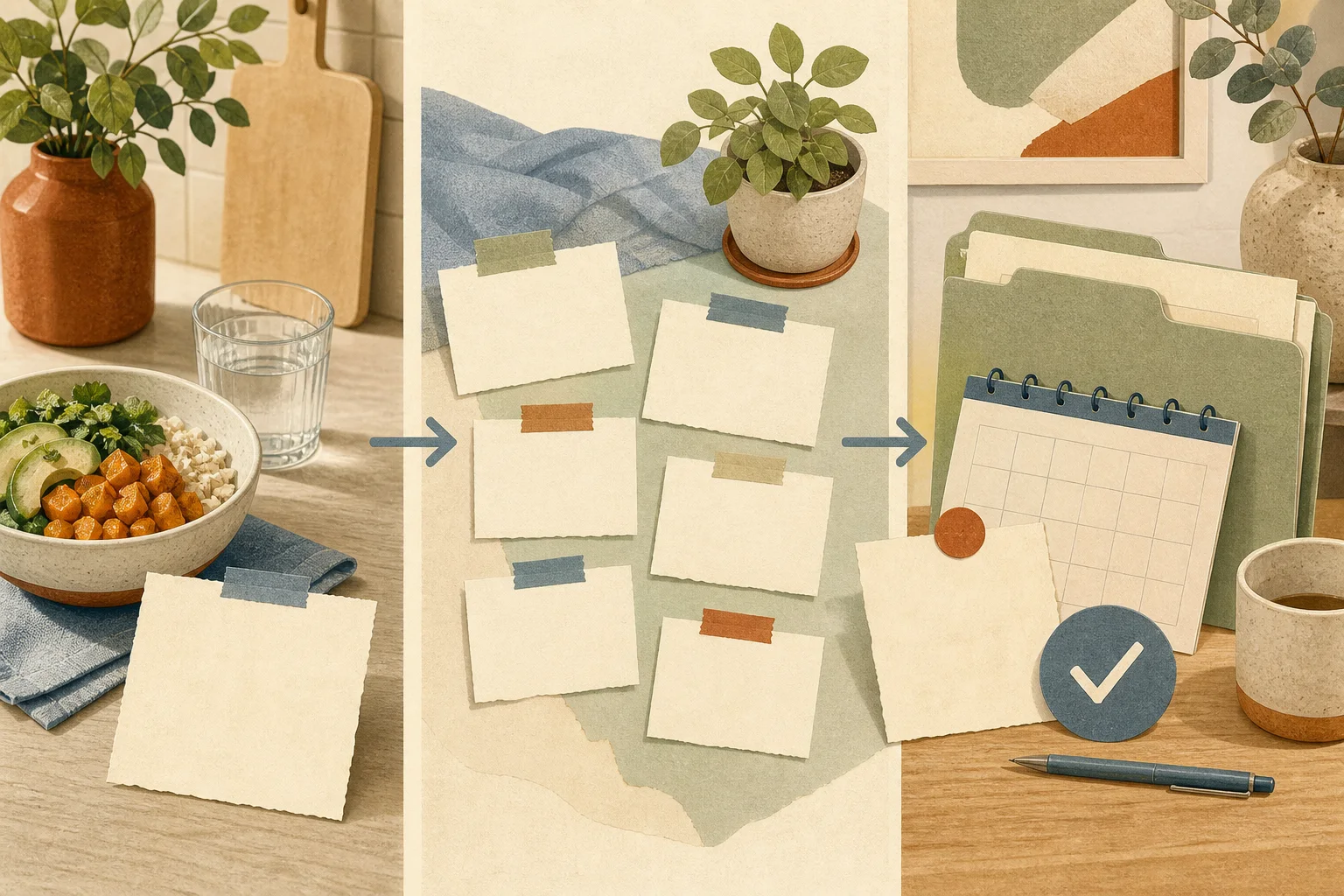
In that weekly review, a few questions are worth more than any total:
- Which meals actually contained a protein source, and which consistently did not?
- Where did context explain the day — early fullness, a heavy-food day, a no-cook evening?
- Did the same kind of day repeat, or was the week genuinely mixed?
- Is there one small, pleasant change that would make next week's record look a little more like the week you want?
That last question is the only one that asks you to _do_ anything, and it asks for one change, not an overhaul. And while you are reviewing the week, give the rest of the record a glance too — water intake often moves together with how meals feel, and our guide to staying hydrated on GLP-1 pairs naturally with this review habit.
The practical takeaway
A calmer protein record
- Record the meal you actually ate, close to when you ate it — not the meal you planned.
- Keep protein as context attached to real food, never as a standalone score.
- Log small meals, no-cook days, and heavy-food days honestly; the note about _why_ is the valuable part.
- Treat general protein ranges as background orientation, not personal prescription.
- Review a full week, notice repetition, and change one small thing at a time.
- Bring repeating patterns — not single days — to a qualified professional when questions persist.
When a Protein Question Needs Personal Support
When a pattern worries you—persistent discomfort with food, many days that look unusually light, or a gap between what you eat and what you think you need—seek qualified individual support where available. Bring the record: a few weeks of meals, appetite notes, and fullness patterns are easier to discuss than a vague memory.
Frequently Asked Questions
Do I need the same protein target as everyone else?
No. Personal protein needs depend on health history, activity, and treatment. General ranges can orient you, but an individual target needs individual context.
Can a small meal still count in my record?
Yes. A few bites logged honestly with a short note are more useful than a skipped entry or a meal recorded as planned.
Should I use protein powder or a supplement?
That depends on diet, preferences, and health context. This article does not make supplement recommendations; bring that question to qualified individual support where available.
When should a protein question become a personal nutrition conversation?
When a pattern worries you: ongoing food discomfort, many unusually light days, or a persistent gap between what you eat and what you think you need.
Sources
- Nutritional priorities to support GLP-1 therapy for obesity: a joint advisory from the American College of Lifestyle Medicine, the American Society for Nutrition, the Obesity Medicine Association, and The Obesity Society (2025)
- Clinician Guidance on the Benefits of Healthy Eating and Physical Activity During GLP-1–Related Weight Loss — American Diabetes Association, Clinical Diabetes

About the author
Maya Lee
Glowise Senior GLP-1 Content Editor
Maya Lee is a Glowise Health Content Editor. Her guides turn product records, authoritative sources, and everyday organization questions into clear, practical GLP-1 information.
She helps readers ask better questions and keep the details relevant to a care conversation together.
See more Glowise on Google
Add Glowise as a preferred source to find our GLP-1 guides more easily in Google Search.