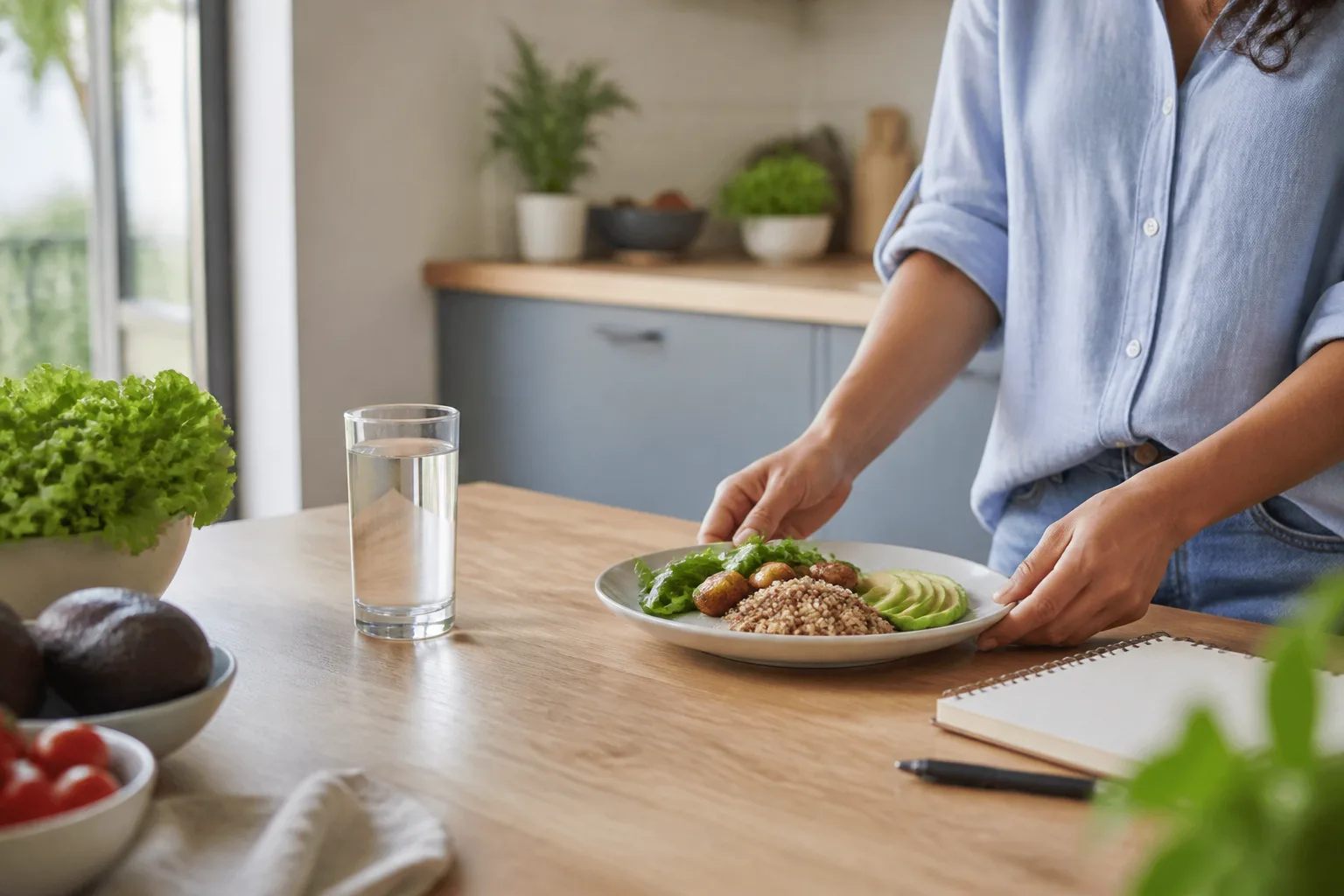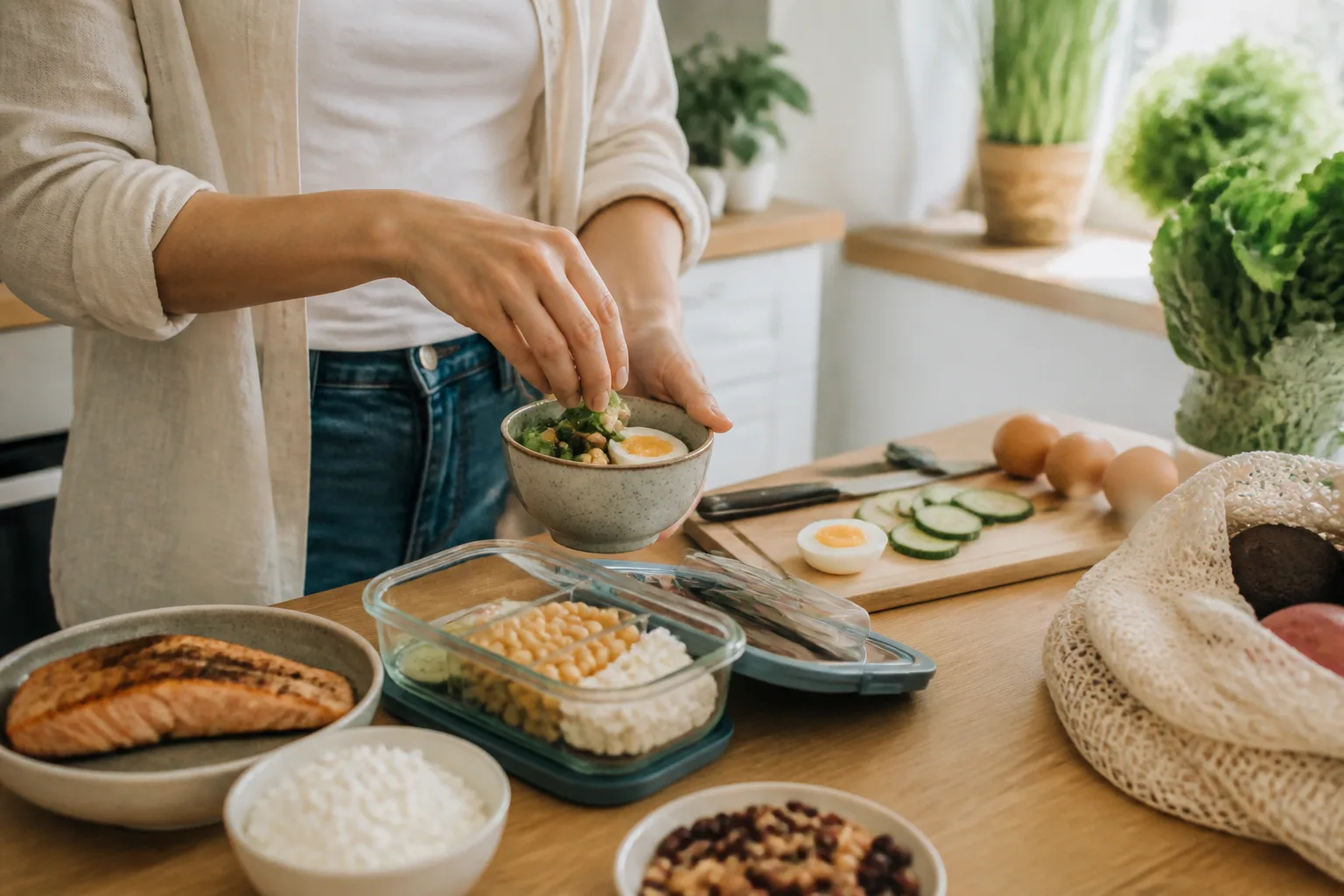
When your appetite is low on a GLP-1 medication, start with food that is small, easy to begin, and worth eating even if you only manage part of it. That might be Greek yogurt with fruit, an egg on toast, soup with chicken or tofu, oatmeal made with milk, cottage cheese with soft fruit, or a smoothie made with yogurt or milk and ingredients you tolerate.
You do not need to build a perfect plate before you take the first bite. Pick one protein-containing food that sounds possible, add a familiar carbohydrate or fruit or vegetable if you want it, and stop when you feel comfortably full. If solid food feels unappealing, a nourishing drink or soft food can be a bridge. If nausea, vomiting, diarrhea, or stomach pain is severe or does not go away, food tips are no longer the main task — contact your healthcare team.
Why eating can feel harder on a GLP-1
GLP-1 medications can reduce hunger and increase fullness. They can also cause digestive side effects such as nausea, vomiting, diarrhea, constipation, abdominal discomfort, bloating, or heartburn. Some people notice food aversions or lose interest in foods they normally enjoy, especially after starting treatment or increasing a dose.
That creates a practical problem: you may be eating less at the same time that a large, rich, or strongly scented meal feels harder to tolerate. The answer is not to force a full-size meal. It is to make the first food decision smaller.
The 2025 multi-society nutrition advisory on GLP-1 therapy recommends nutrient-dense foods overall and notes that small, frequent meals may help when hunger and food interest are low. It also describes smoothies, protein drinks, yogurt, cottage cheese, and soups as options that some people find more appealing than heavier foods. These are flexible categories, not a prescribed menu.
Choose food by what is getting in the way
The best low-appetite food is not one universal “GLP-1 meal.” It is the option that fits the problem you have today.
| If today feels like… | Try starting with… | Why it may be easier |
|---|---|---|
| “I am simply not hungry” | Greek yogurt, cottage cheese, an egg, tofu, nut or seed butter, or a small piece of fish or chicken | A protein-containing food can make a small eating moment more useful without requiring a large plate |
| “I get full after a few bites” | Soup with a protein ingredient, yogurt with soft fruit, oatmeal made with milk, egg on toast, or half of a familiar sandwich | These foods can be served small and saved or rebuilt later |
| “Food smells or tastes wrong” | Chilled yogurt, cottage cheese, fruit, overnight oats, a cold sandwich, or another mild food you already tolerate | Cooler, simpler foods may have less aroma than a hot cooked meal |
| “I feel mildly nauseated” | Toast, crackers, rice, oatmeal, broth-based soup, banana, applesauce, or another plain food that sits well for you | A simple, lower-fat choice may be easier temporarily; add more variety as symptoms settle |
| “I cannot face cooking” | Rotisserie chicken, hard-boiled eggs, plain Greek yogurt, cottage cheese, canned tuna or salmon, hummus, tofu, frozen grains, soup, or a smoothie | Ready-to-eat components remove preparation as the barrier |
These are starting points. Diabetes, kidney disease, food allergies, digestive conditions, pregnancy, and other health needs can change what is appropriate. Use your own care plan when it differs from general examples.
Build a small eating moment instead of a full meal
On a low-appetite day, “meal” can sound like a project. A smaller structure is easier:
- Choose the food you are most willing to start. Appeal matters. A nutritionally impressive meal is not useful if it stays untouched.
- Include a protein source when you can. Eggs, yogurt, cottage cheese, fish, chicken, tofu, beans, lentils, and nut or seed butters are all possibilities. If early fullness is predictable, eating some of the protein-containing food first can help it happen before your appetite fades.
- Add an easy companion. Toast, oats, rice, fruit, vegetables, or soup can add energy, fluid, fiber, and micronutrients depending on what you tolerate.
- Begin with less on the plate. You can return for more. A crowded plate can make eating feel finished before it begins.
- Save the remainder safely. Half a sandwich now and the rest later is still a workable plan.
This approach is intentionally flexible. Your personal protein, energy, and fluid needs depend on your health, medications, body, and goals. A general article cannot turn them into a daily quota.
Practical food ideas for low-appetite days
Soft breakfasts and snacks
- Greek yogurt with berries, banana, or applesauce
- Cottage cheese with soft fruit or toast
- Oatmeal made with milk or a fortified plant beverage, with nut or seed butter if tolerated
- Scrambled egg with toast
- A smoothie with yogurt or milk, fruit, and nut or seed butter
- Hummus with pita, crackers, or soft vegetables
Small savory meals
- Chicken noodle, lentil, bean, egg-drop, miso-tofu, or vegetable soup with a protein ingredient
- Half a turkey, chicken, tuna, egg, or tofu sandwich
- Rice with egg, tofu, fish, or shredded chicken
- A baked potato or sweet potato with cottage cheese, Greek yogurt, beans, or shredded chicken
- A small bowl of pasta with tuna, chicken, white beans, or soft-cooked vegetables
- A snack plate with cheese or hummus, crackers, fruit, and whatever else feels manageable
No-cook or almost-no-cook options
- Plain Greek yogurt cups, cottage cheese, cheese, or ready-to-eat eggs
- Tuna or salmon pouches, rotisserie chicken, hummus, tofu, or rinsed canned beans
- Frozen rice or quinoa, microwave oatmeal, or whole-grain toast
- Frozen fruit for smoothies and frozen vegetables for soup or rice bowls
- A prepared soup with an added egg, tofu, chicken, or beans
Convenience food is allowed to be useful. On a day when the alternative is skipping food because preparation feels impossible, a ready-to-eat component can lower the barrier.
If nausea is part of the low appetite
Low appetite and nausea are not exactly the same problem. If you are mildly nauseated, large meals and foods that are fried, greasy, very rich, spicy, or strongly scented may be harder to tolerate. Smaller eating moments, slower eating, cool drinks in regular sips, and simpler foods may feel easier.
High-fiber and higher-fat foods are valuable parts of many healthy diets, but they can also feel heavy during an acute nausea spell because they may slow stomach emptying further. That does not make them “bad GLP-1 foods.” It means you can temporarily choose gentler foods and bring variety back as you feel better.
Avoid turning a short-term comfort strategy into a permanently narrow diet. If nausea keeps returning, eating becomes consistently difficult, or your range of tolerated foods keeps shrinking, tell your prescriber or a registered dietitian. Medication side effects and dose decisions belong with the treating team.
Do not let fluids disappear with meals
When eating cues fade, drinking cues can fade with them. Keep a drink within reach and take regular sips rather than waiting for a large meal to remind you. Water is useful, but milk, fortified plant beverages, broth, and other drinks can also contribute fluid; choose around your health needs and tolerance.
Vomiting and diarrhea increase the risk of dehydration. Current Wegovy and Ozempic safety information tells patients to contact their healthcare provider when nausea, vomiting, or diarrhea does not go away. If you use insulin or a sulfonylurea for diabetes and you are suddenly eating much less, contact your diabetes care team for instructions rather than changing medication on your own, because those medicines can raise the risk of low blood sugar.
When low appetite needs medical support
Contact your healthcare team promptly if:
- nausea, vomiting, or diarrhea does not go away;
- stomach problems are severe or do not go away;
- you are repeatedly unable to eat or drink enough to manage your usual day;
- low appetite is persistent, your food variety is becoming very narrow, or you are concerned about weakness or other signs that intake is inadequate.
Severe or persistent abdominal pain, especially pain that may reach the back and may occur with nausea or vomiting, is a warning in current semaglutide prescribing information. Follow the urgent instructions that came with your medication and seek medical help rather than trying to manage that symptom with food changes.
Use a food record to remember what worked
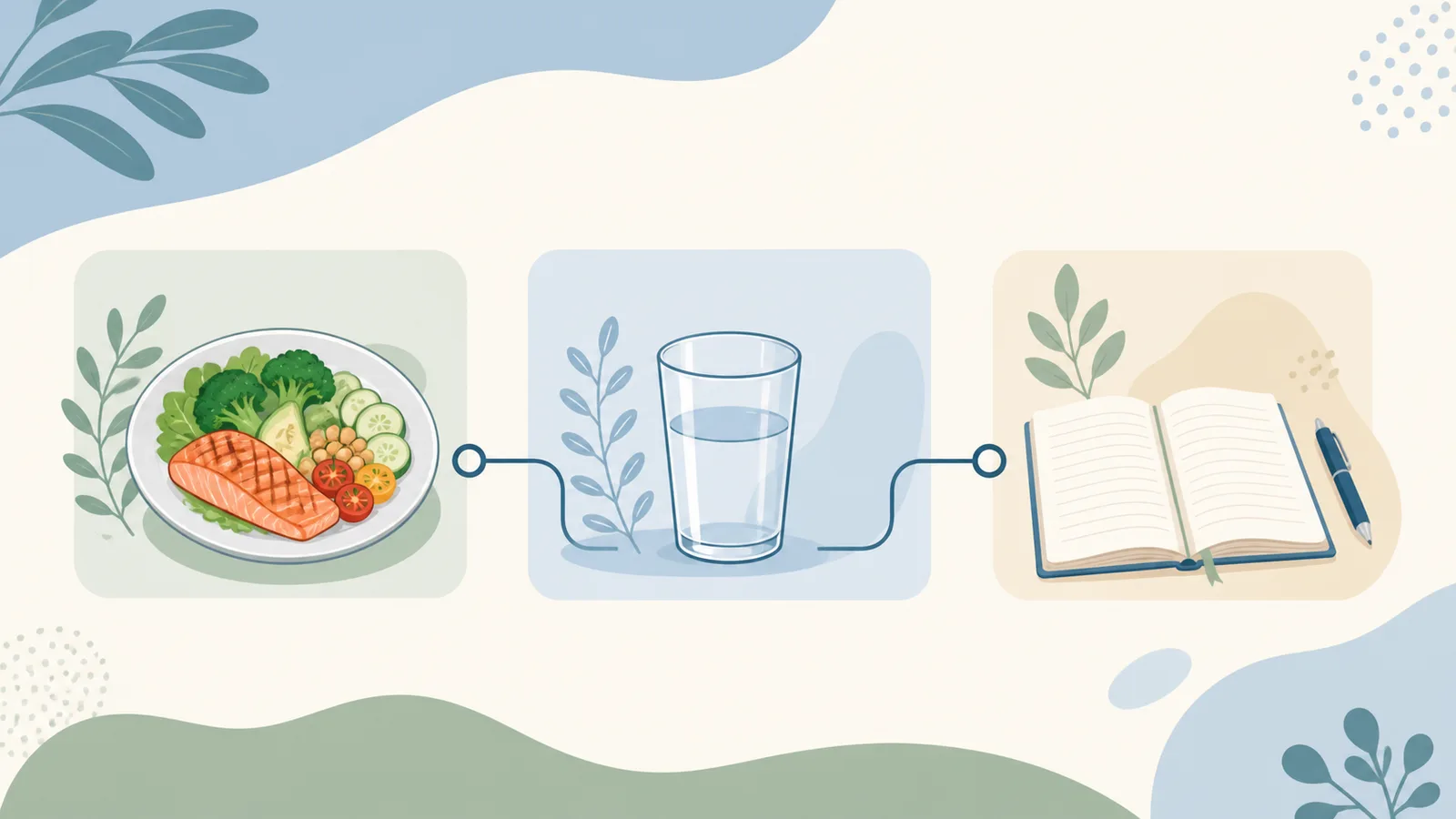
Once the immediate question — “what can I eat?” — has an answer, a short record can make the next low-appetite day easier. Note the food you tried, roughly how much you finished, and whether the barrier was no hunger, early fullness, nausea, smell, taste, or effort.
The Food and Protein Tracker keeps meals and optional protein context together with water, appetite, fullness, and personal notes. It can help you remember that soup worked on one day or that a hot meal felt unappealing after a dose. It does not determine whether your intake is adequate, diagnose a symptom, or prescribe a diet.
Remember the foods that felt possible
Keep low-appetite meals and their context together
Record what you ate, plus optional protein, water, appetite, fullness, and personal notes — without turning the day into a score.
The practical takeaway
What to eat when appetite is low on a GLP-1
- Start with a small amount of food that feels possible, not a full ideal plate.
- Include a protein-containing food when you can, then add an easy carbohydrate, fruit, vegetable, or soup.
- Try soft foods, soups, yogurt, cottage cheese, eggs, toast, oatmeal, rice, smoothies, tofu, fish, chicken, beans, or nut and seed butters according to your tolerance.
- Use simpler, lower-fat foods temporarily when nausea makes richer food feel worse; return to a varied diet as tolerated.
- Keep fluids visible, especially if nausea, vomiting, or diarrhea is reducing intake.
- Contact your healthcare team when digestive symptoms are severe or do not go away, or when eating and drinking remain difficult.
Frequently Asked Questions
Should I force myself to eat if I have no appetite on a GLP-1?
Do not force a large meal past comfortable fullness. Try a small amount of a food you tolerate and make another small eating opportunity later if that works better. If you are repeatedly unable to eat enough, feel weak, or low appetite persists, contact your healthcare team. The goal is to address the barrier, not to win a contest with the plate.
What is easiest to eat when I feel full very quickly?
Small portions of yogurt, cottage cheese, eggs, soup with chicken or tofu, oatmeal made with milk, toast with nut butter, or a smoothie may be easier than a large mixed meal. Choose foods you tolerate, begin with less on the plate, and save the remainder rather than pushing through fullness.
Are protein shakes required on GLP-1 medication?
No. A shake can be convenient when chewing or cooking feels difficult, but it is one option among many. Yogurt, cottage cheese, eggs, fish, poultry, tofu, beans, lentils, nuts, and seeds can also provide protein. Your healthcare team or a registered dietitian can help if you need an individualized protein plan or have kidney disease or another condition that changes your needs.
Should I avoid fiber when my appetite is low?
Not as a blanket rule. Fruits, vegetables, beans, and whole grains provide valuable nutrients and fiber. During an acute nausea spell, a very high-fiber meal may feel harder to tolerate, so a simpler food may work better temporarily. Add variety back as tolerated, and ask your care team for help if symptoms keep limiting your diet.
What if I have diabetes and I am eating much less?
If you take insulin or a sulfonylurea, eating much less can change your low-blood-sugar risk. Contact your diabetes care team for a plan and do not reduce or skip medication on your own. Seek prompt help for symptoms of low blood sugar according to the plan your clinician has given you.
Sources

About the author
Maya Lee
Glowise Senior GLP-1 Content Editor
Maya Lee is a Glowise Health Content Editor. Her guides turn product records, authoritative sources, and everyday organization questions into clear, practical GLP-1 information.
She helps readers ask better questions and keep the details relevant to a care conversation together.
See more Glowise on Google
Add Glowise as a preferred source to find our GLP-1 guides more easily in Google Search.