Current information does not give everyone taking Mounjaro one universal yes-or-no answer about alcohol, or one amount that is safe for every person. The useful answer starts by separating three things: what the Mounjaro label says, which other medicines and diabetes factors may be involved, and what remains an individual question for a prescriber or pharmacist.
That distinction matters because the absence of a universal alcohol amount in the label is not the same as proof that alcohol is safe in a particular situation. It means the decision cannot be made from the medicine’s name alone.
What the Mounjaro label can—and cannot—tell you
The current US Mounjaro Prescribing Information does not set a universal amount of alcohol for people taking the medicine. It also does not turn a broad question such as “Can I drink?” into a personal safety decision.
What the label does provide is context that may change the conversation. It warns that using Mounjaro with an insulin secretagogue or insulin can increase the risk of hypoglycemia, or low blood glucose. It also states that Mounjaro delays gastric emptying and may affect the absorption of oral medicines.
Those points are not an alcohol rule. They are reasons to look beyond Mounjaro by itself. A person taking Mounjaro alone and a person also using insulin do not bring the same medication context to the question. Someone relying on an oral medicine may have another detail worth reviewing because delayed gastric emptying can affect how oral medicines are absorbed.
Why diabetes context changes the question
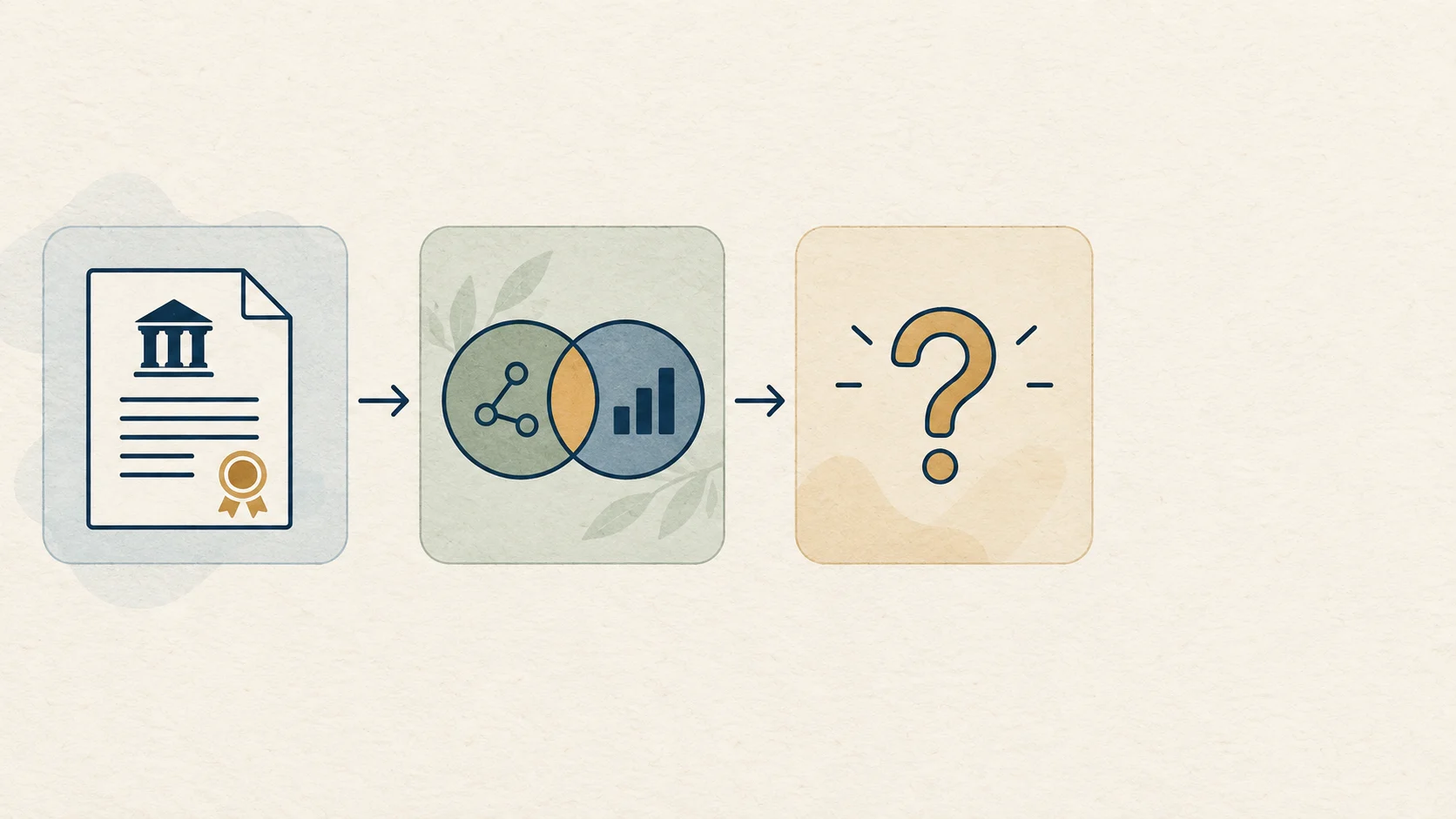
Alcohol can complicate blood-glucose management independently of the simple fact that someone uses Mounjaro. The National Institute of Diabetes and Digestive and Kidney Diseases explains that alcohol can make blood glucose harder to keep steady, particularly when it is consumed without food. It can also mask early symptoms of low blood glucose.
This is especially relevant when another glucose-lowering medicine is part of the picture. Mounjaro’s label specifically identifies greater hypoglycemia risk with insulin secretagogues or insulin. NIDDK’s guidance adds the practical diabetes context: alcohol may both affect glucose stability and make early low-glucose symptoms harder to recognize.
Neither source predicts what will happen to one individual after a particular drink. Together, they explain why a useful decision needs more detail than a general online limit.
Build the question from the right source
Instead of starting with a drinking guide, start with the information that can actually narrow the uncertainty. The table below separates established source information from the individual question it leaves open.
| Information source | What it can answer | What it cannot decide for you | A useful question to bring forward |
|---|---|---|---|
| Current US Mounjaro label | Whether the label sets a universal alcohol amount and which medication warnings may matter | Whether alcohol is appropriate in your circumstances | “Does anything in my complete medication list change how I should think about alcohol?” |
| Your medication list | Whether insulin, an insulin secretagogue, or an oral medicine is part of the context | How your body will respond on a specific occasion | “Which of my medicines makes low blood glucose or absorption especially relevant?” |
| Diabetes guidance | Why alcohol, food context, and recognition of low-glucose symptoms may matter | A guaranteed safe amount for an individual | “How should my usual blood-glucose pattern affect this decision?” |
| Your own routine notes | What you can accurately recall about medication timing, food, symptoms, and other relevant context | Whether alcohol is medically safe or the cause of a symptom | “Which details would help you answer my question more precisely?” |
The purpose of the table is not to produce permission by checklist. It is to prevent one source from being asked to answer a question it cannot answer. A product label can describe warnings. A record can improve recall. A qualified professional who knows the full medication and health context can help interpret what those details mean for the individual decision.
Details worth having before you ask
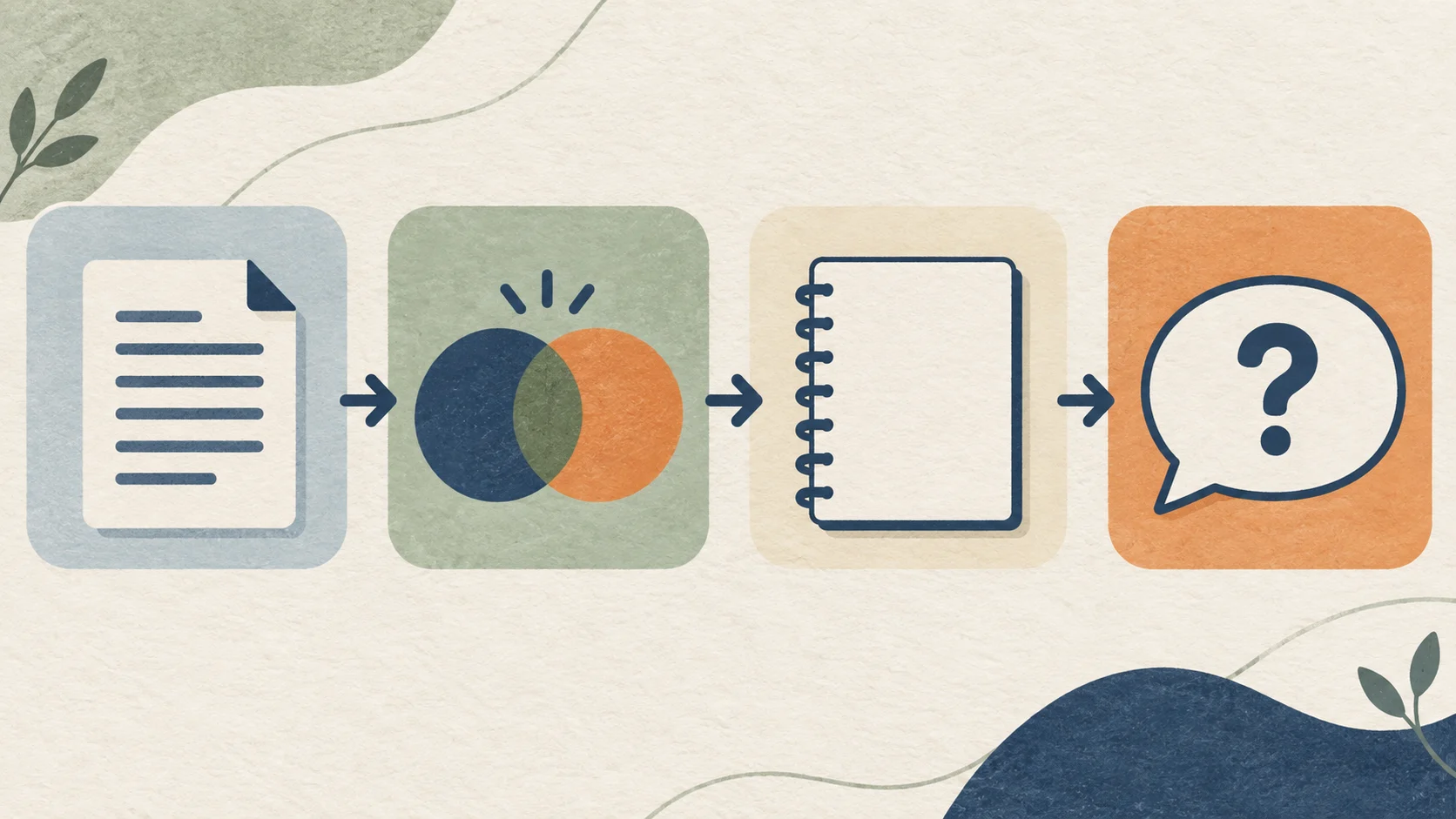
A vague question often produces a vague answer. Before a conversation with a prescriber or pharmacist, gather the details that define the actual situation:
- the exact Mounjaro dose and schedule you were prescribed;
- the names of all other medicines, including insulin, insulin secretagogues, and oral medicines;
- whether the question involves drinking with food or without food;
- any blood-glucose pattern or low-glucose concern you already need to discuss;
- the specific occasion or routine you are asking about, rather than “alcohol” in the abstract.
Collecting these details does not make drinking safe. It makes the question less ambiguous. For example, “Does my medication list change the risk I need to consider at an evening meal?” gives the person advising you more to work with than “Is alcohol okay?”
Use tracking for recall, not clearance
Medication conversations can become difficult when several small details are scattered across memory, notes, and different apps. If it is useful, the Mounjaro Tracker in Glowise can keep user-entered medication, food, water, side-effect, weight, activity, and progress context together for later recall.
That record has a limited but practical role. It may help you remember when medication was taken, whether food was part of the context, or what you wanted to ask. It cannot diagnose a reaction, determine urgency, recommend a dose or schedule, or decide that alcohol is safe.

The most useful note may be a question rather than a conclusion: “I also take this medicine; does that change the advice?” or “Which early low-glucose signs should I be prepared to recognize in my situation?” That keeps the record connected to its real job—supporting a more specific conversation.
What not to conclude from a general answer
Three tempting shortcuts are worth avoiding.
First, “the label gives no universal amount” does not mean “any amount is fine.” The label cannot account for every person’s other medicines and diabetes context.
Second, someone else’s experience does not establish what will happen for you. Even when two people both take Mounjaro, their medication combinations and blood-glucose circumstances may differ.
Third, a tracking record is not a medical clearance tool. A detailed note can show context, but it cannot establish that Mounjaro or alcohol caused an effect, and it cannot replace an individualized decision.
The honest endpoint is narrower and more useful than a blanket rule: current information identifies the medication and blood-glucose issues that deserve attention, while the personal yes-or-no decision still depends on details those sources cannot resolve on their own.
The practical takeaway
What to take into the conversation
- The current US Mounjaro label does not state one universal alcohol amount.
- Other medicines matter, especially insulin or an insulin secretagogue because the label warns of increased hypoglycemia risk.
- Mounjaro delays gastric emptying and may affect oral-medication absorption.
- Alcohol can make blood glucose harder to keep steady, particularly without food, and can mask early low-glucose symptoms.
- A complete medication list and specific situation produce a more useful question than a request for a generic limit.
- Notes can support recall, but they cannot determine whether alcohol is safe for you.
Frequently asked questions
Does the Mounjaro label ban alcohol?
The current US prescribing information does not state a universal alcohol amount. That does not establish that alcohol is safe for an individual; other medicines and blood-glucose context still matter.
Why do my other diabetes medicines matter?
The Mounjaro label warns that concurrent insulin secretagogues or insulin can increase hypoglycemia risk. NIDDK also explains that alcohol can make blood glucose harder to keep steady and can mask early symptoms of low blood glucose, so the complete medication context is important.
Can Glowise tell me whether it is safe to drink?
No. Glowise can organize user-entered routine context for recall, but it cannot diagnose, determine urgency, or make an individual alcohol-safety decision.
Sources

About the author
Maya Lee
Glowise Senior GLP-1 Content Editor
Maya Lee is a Glowise Health Content Editor. Her guides turn product records, authoritative sources, and everyday organization questions into clear, practical GLP-1 information.
She helps readers ask better questions and keep the details relevant to a care conversation together.
See more Glowise on Google
Add Glowise as a preferred source to find our GLP-1 guides more easily in Google Search.