Quick Answer
- Ask your partner which practical help they want. Offer something specific, like picking up groceries or giving them a ride, and make it easy to decline.
- Agree on how to share meals when appetites differ. Set a time that works for both of you or keep another part of the evening together. Let each person choose their portion.
- Ask whether they want comments about weight or appetite and what they want kept private. Agree on what to say to others.
- If your partner feels unwell, offer to help contact their care team. Ask before accessing logs or joining a medical conversation, and leave medication decisions to your partner and their clinician.
What kind of help actually feels helpful?
Offer one job you can do this week. “I'm going to the store after work. Want me to take care of dinner groceries?” leaves room for a yes or a no. “I can call the pharmacy to check stock if you'd like. You can do the part that needs your information.” Your partner can decide where they want you involved.
If they ask for a reminder, agree on which reminder and how long they'd like it. Check in once the routine has settled. Someone can welcome a ride and prefer to keep the appointment itself private. The U.S. Office of Disease Prevention and Health Promotion's conversation guide recommends asking what support people would find useful and seeking permission before offering advice.
How can you still have dinner together?
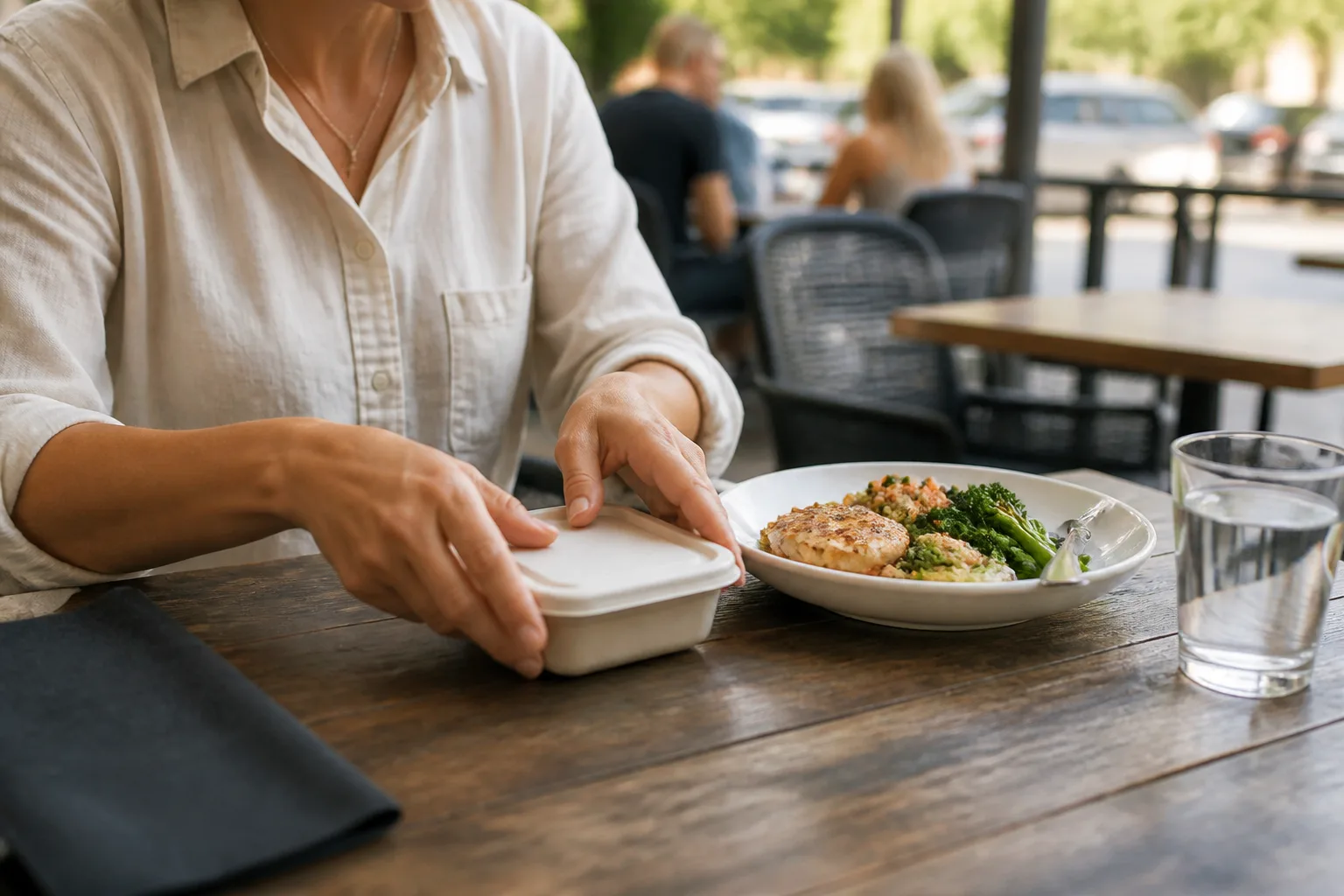
Keep a part of the routine you both enjoy and make the food flexible. Some weight-management medicines help people feel full sooner. If your partner often wants less than you do, try putting meal components on the table and letting each person serve themselves. Offer to put leftovers away without making someone explain how much they ate. NIDDK on weight-management medications
Perhaps you're hungry at six and your partner wants to eat later. Agree that you'll eat at six, leave them a portion if they'd like one, and have tea together once they're home. If you miss sitting down to talk, say that directly. “Can we sit for a few minutes after work?” is a request you can negotiate without tying it to anyone's plate. For a meal away from home, see dining out on a GLP-1.
What can you say about their body or treatment?
Ask at a quiet moment whether they want you to acknowledge changes they share or leave body talk alone. A compliment can be welcome, and it can also bring up questions about how you saw them before. If they want to share something they're pleased about, listen for what matters to them. The Obesity Action Coalition's family-support guidance cautions against unsolicited remarks about weight, shape, meals, and treatment choices.
Before seeing friends or relatives, ask what your partner wants to say about their prescription, if anything. If someone asks you why your partner is eating less, you can redirect: “Let's give everyone a chance to enjoy dinner.” If your partner wants to answer, leave them room to do so.
What if you already said more than they wanted?
Name the specific thing and make the next change. “I commented on your portion in front of everyone. I'll leave your plate out of the conversation.” If you shared private information, say what you shared and with whom. Ask whether your partner wants you to say anything to that person, and wait for their answer.
How can you bring up a health concern respectfully?
If you're worried about a change, talk privately about what you observed and offer help with a next step. “You said it's been hard to keep drinks down today. Would it help if I got the number for your care team?” If your partner wants help with the call, use their words and let them decide what to share. A request to help with one appointment or one log entry belongs to that task. Ask again before you use the information elsewhere.
If you miss a routine or feel stretched by extra chores, give that issue its own conversation. You can decide together who cooks this week without turning the conversation into a judgment about what your partner eats or whether their treatment should change.

About the author
Maya Lee
Glowise Senior GLP-1 Content Editor
Maya Lee is a Glowise Health Content Editor. Her guides turn product records, authoritative sources, and everyday organization questions into clear, practical GLP-1 information.
She helps readers ask better questions and keep the details relevant to a care conversation together.
See more Glowise on Google
Add Glowise as a preferred source to find our GLP-1 guides more easily in Google Search.