Loose skin can remain after substantial weight loss, including weight loss during GLP-1 treatment. Moisturizer may help dryness, and exercise supports strength, but neither removes a hanging fold of skin. Some professional treatments offer modest tightening; surgery can remove excess skin, with scars, recovery, and risks to consider.
The useful starting point is what you want help with: dry skin, rubbing, a change in appearance, or a fold that interferes with movement. Those concerns lead to different options. You do not have to want a cosmetic procedure to deserve help with discomfort, and having loose skin does not mean you have failed at caring for your body.
Why skin may fit differently after weight loss
Skin and the tissues beneath it do not always contract enough to match a smaller body. The American Society of Plastic Surgeons explains this after major weight loss, including weight loss through surgery or lifestyle changes. This is a broader weight-loss issue, not a phenomenon unique to GLP-1 treatment.
That general explanation should not be stretched into a claim that a particular medicine directly damages skin or collagen. The sources here do not establish that mechanism or predict how much loose skin an individual will have. They also do not provide a reliable deadline by which a fold will disappear.
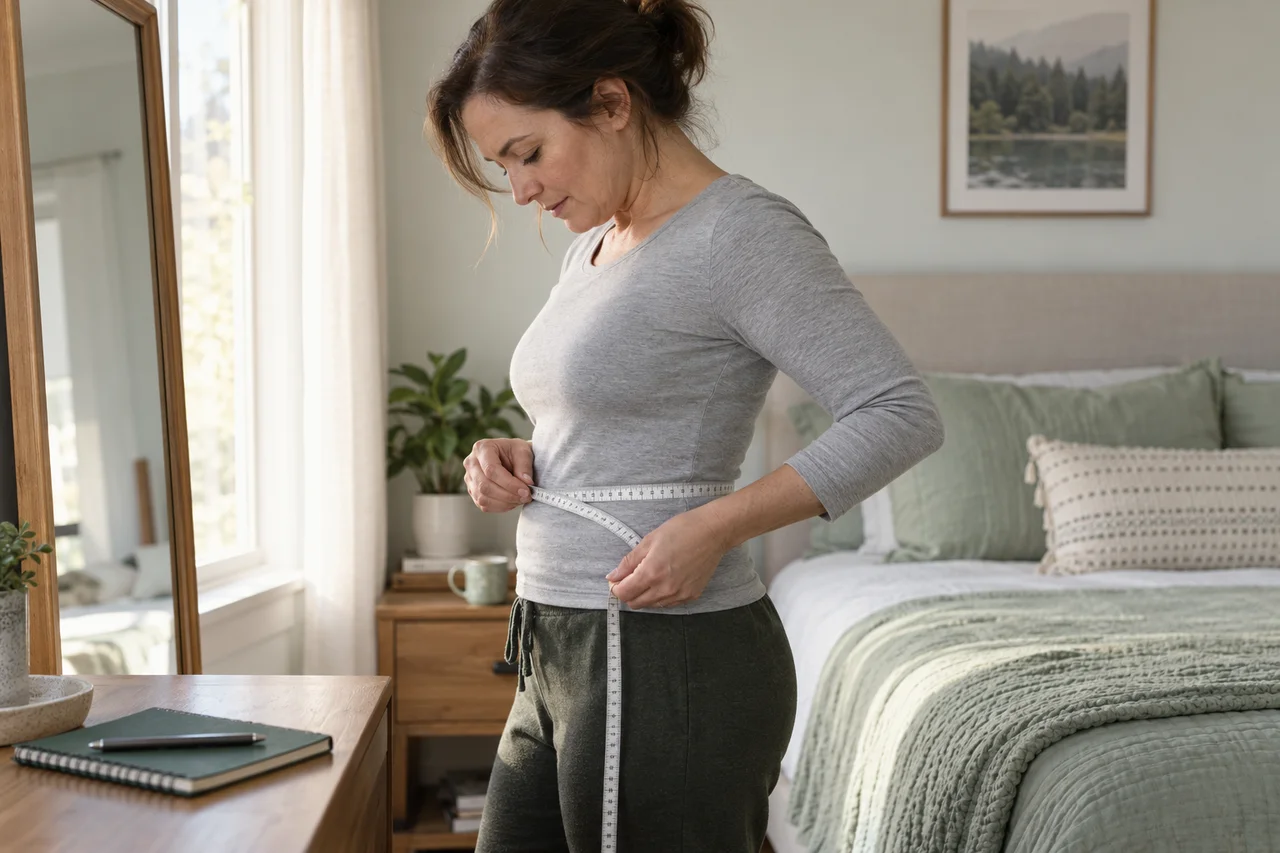
A soft area may contain both skin and remaining fat. If it is newly swollen, painful, or changing unexpectedly, an examination is more useful than trying to identify it by pinching it or comparing photos online.
Match the option to the concern
| Your main concern | A useful direction | A realistic limit |
|---|---|---|
| Dryness or a tight, uncomfortable surface | Basic moisturizing skin care | Comfort is different from lifting excess skin. |
| Rubbing or dampness inside a fold | Reduce moisture and friction; assess persistent rash | A firming product does not treat every cause of irritation. |
| Strength or physical function | Sustainable resistance exercise and adequate nutrition | Muscle training does not remove skin. |
| A small amount of laxity that bothers you | Discuss professional skin-tightening options | Improvement may be modest. |
| A substantial fold you want removed | Discuss surgical skin removal | Scars, healing time, and surgical risks are part of the choice. |
You can address one concern without committing to the others. For example, preventing a waistband from rubbing a fold is worthwhile even if you never want to change the fold's appearance.
What creams and exercise can realistically do
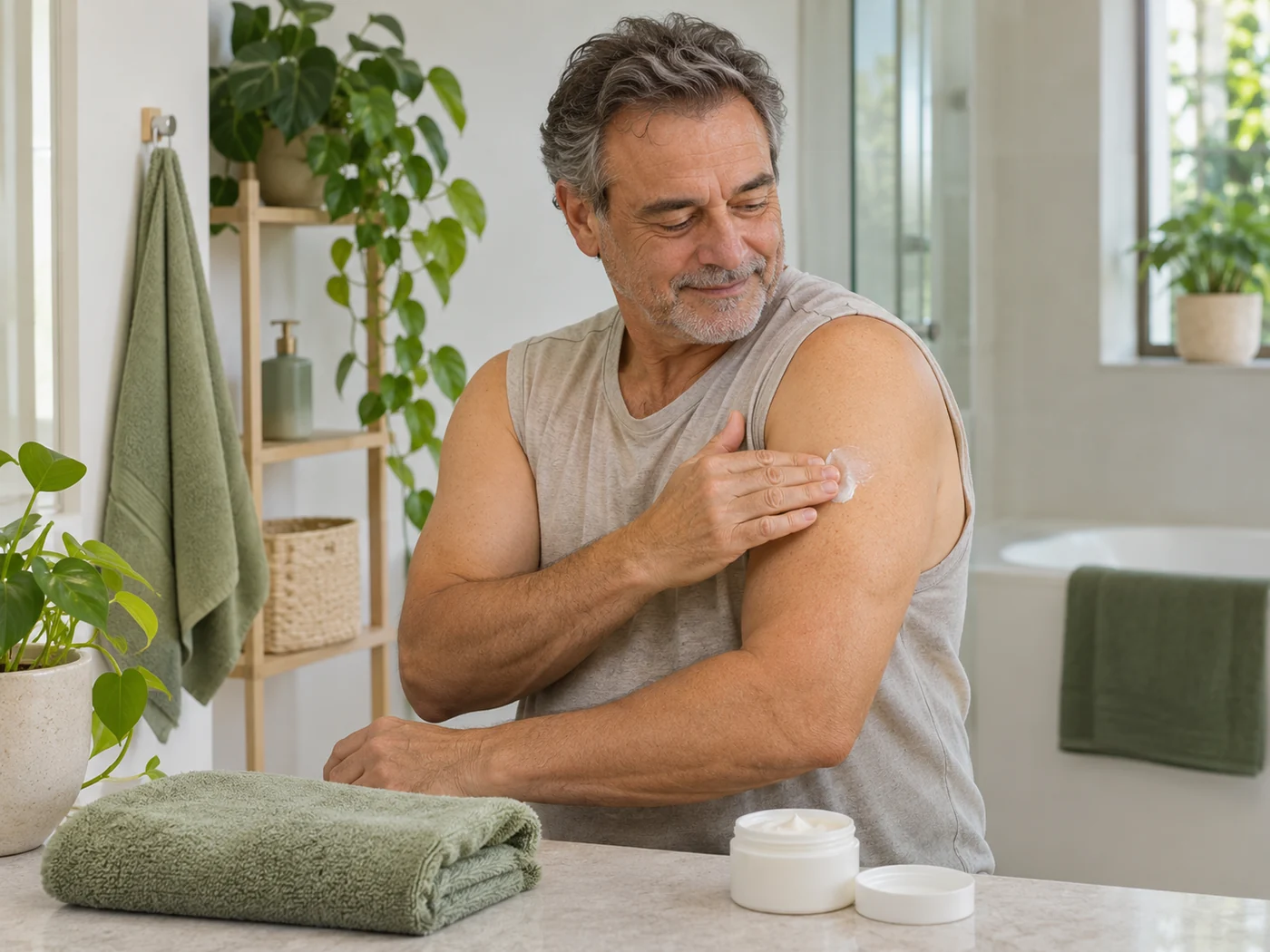
A moisturizer can temporarily make skin look plumper. It cannot lift substantial sagging skin. The American Academy of Dermatology describes firming-cream results as subtle at best, with some people seeing no result. That makes an expensive cream a poor substitute for a skin-removal consultation when removal is your goal.
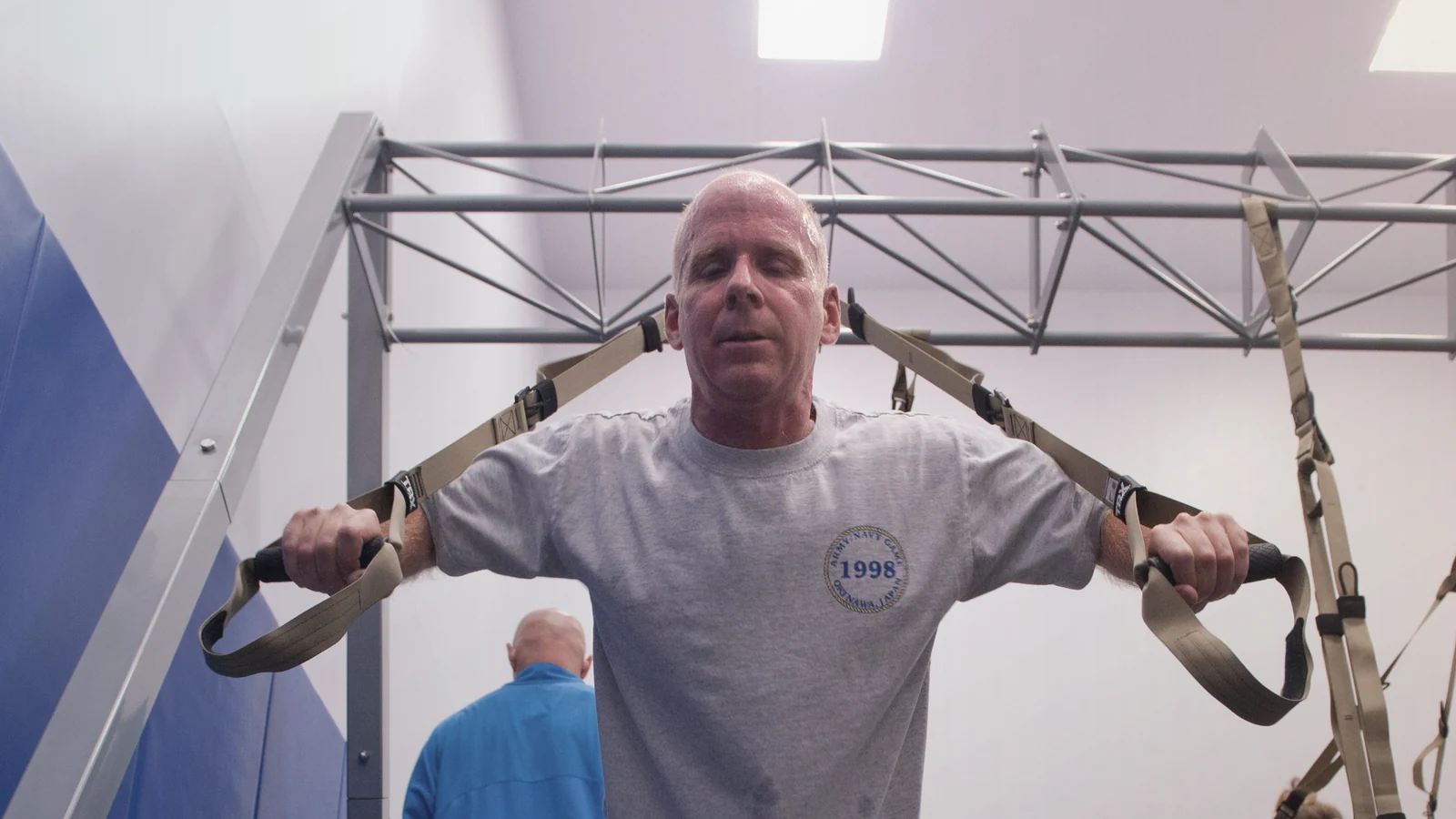
Exercise works on a different tissue. Building or maintaining muscle can support strength and affect the contour beneath skin; it does not cut away excess skin. Keep exercise worthwhile on its own terms rather than judging a training program by whether a fold disappears. Our guide to muscle health during GLP-1 weight loss covers the strength and nutrition question in more detail.
Treat a promise to “rebuild collagen” as a prompt for a more specific question: Has this product been shown to reduce substantial excess skin after weight loss? A claim about an ingredient or a change in skin hydration does not answer that question. There is no supplement recommendation in this article for removing loose skin.
Make skin folds more comfortable now
Moisture and skin-on-skin friction can cause inflammation called intertrigo. Infection can also be involved. For mild irritation without signs of infection, MedlinePlus recommends measures that reduce dampness and rubbing:
- Dry folds gently after washing; cool air from a fan or a hair dryer on its cool setting can help.
- Choose loose clothing or moisture-wicking fabric and change out of damp clothing.
- Separate rubbing surfaces with clean, dry gauze or a dry towel when practical.
- A barrier ointment containing petroleum or zinc oxide can reduce friction.
Arrange an assessment if irritation persists despite home care, spreads beyond the fold, or the skin breaks down, becomes painful, or develops an odor. Treatment depends on whether irritation, yeast, bacteria, or more than one cause is involved; repeatedly switching medicated creams can leave the underlying problem unresolved.
Contact a healthcare professional right away for spreading redness with warmth or tenderness, rapidly worsening skin changes, or fever or chills. These can be signs of a skin infection such as cellulitis, rather than ordinary loose skin.
Compare procedures by what they actually change
Skin tightening without surgical removal
Ultrasound, radiofrequency, and certain laser treatments can offer modest tightening. They are not interchangeable, and they do not deliver the same change as surgical removal of substantial excess skin. The AAD's overview is a starting point for understanding that distinction, not a prediction of your result.
Ask about the exact procedure, suitability for your skin and treatment area, likely improvement, downtime, number of sessions, and total cost. Ask what happens if the result falls short before buying a package.
Radiofrequency microneedling needs a specific safety discussion. The FDA has reported serious complications with certain uses, including burns, scarring, fat loss, disfigurement, and nerve damage. This warning concerns RF microneedling; it should not be generalized to every procedure called “radiofrequency.” A treatment being offered outside an operating room does not make its risks trivial.
Surgery to remove excess skin
Surgery can remove skin that creams and exercise cannot. The operation depends on the area and your goals. A consultation should explain where incisions and scars would be, what recovery would require at home and work, and whether treatment would involve more than one operation.
ASPS lists stable weight, health that supports healing, and not smoking among candidate factors. Readiness is an individual assessment, not a universal countdown from your last dose or last pound lost. You can ask about options before you are ready to schedule anything.
Risks include bleeding, infection, blood clots, poor healing, changes in sensation, and unfavorable scars. Tell the surgical team about your GLP-1 medicine and all other medicines; have them coordinate any procedure-related medication instructions with your prescriber rather than changing treatment yourself.
Bring the problem you want solved
“I want to know what this area is” and “I want this skin removed” are different consultation goals. Either is a reasonable starting point. If comfort is the issue, describe where rubbing happens, whether the skin opens, how often a rash returns, and which clothes or activities become difficult. That gives the assessment a practical focus.
If appearance is your main concern, name the change you would consider worthwhile and the recovery, cost, or scarring you would accept. Choosing basic care, exploring a procedure, or deciding against one can each be an informed decision. The aim is an option that fits your priorities, with a clear account of what it can actually do.

About the author
Maya Lee
Glowise Senior GLP-1 Content Editor
Maya Lee is a Glowise Health Content Editor. Her guides turn product records, authoritative sources, and everyday organization questions into clear, practical GLP-1 information.
She helps readers ask better questions and keep the details relevant to a care conversation together.
See more Glowise on Google
Add Glowise as a preferred source to find our GLP-1 guides more easily in Google Search.