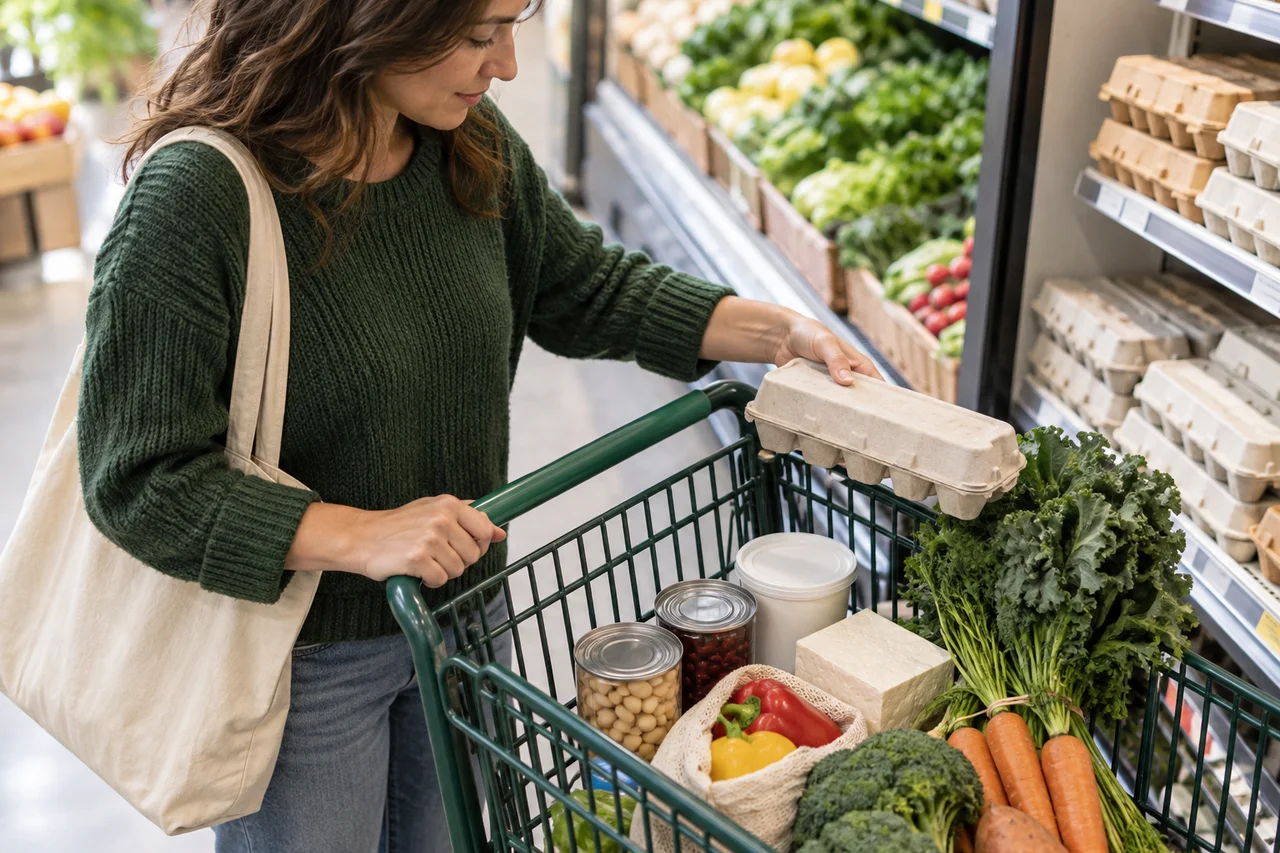
A useful GLP-1 grocery list has foods you can turn into meals even if your appetite, schedule, or favorite flavors change this week. Choose something from each part of the store, then adjust the amounts to the meals and people you are actually shopping for. You do not need a cart made entirely of specialty “GLP-1” products.
The list: choose what fits your week
This is a menu of purchases, not a requirement to buy every item. Circle a few foods you enjoy in each row. The last column gives each purchase a job, so it is easier to leave behind things that only sound good in the aisle.
| Put on your list | Choose from | A meal it can become |
|---|---|---|
| Fruit | Bananas, berries, oranges, apples, unsweetened frozen fruit | Fruit with yogurt or oats; fruit alongside a sandwich |
| Vegetables | Carrots, cucumbers, spinach, tomatoes, frozen vegetables, a vegetable you like cooked | Soup, rice bowl, wrap, or a small side |
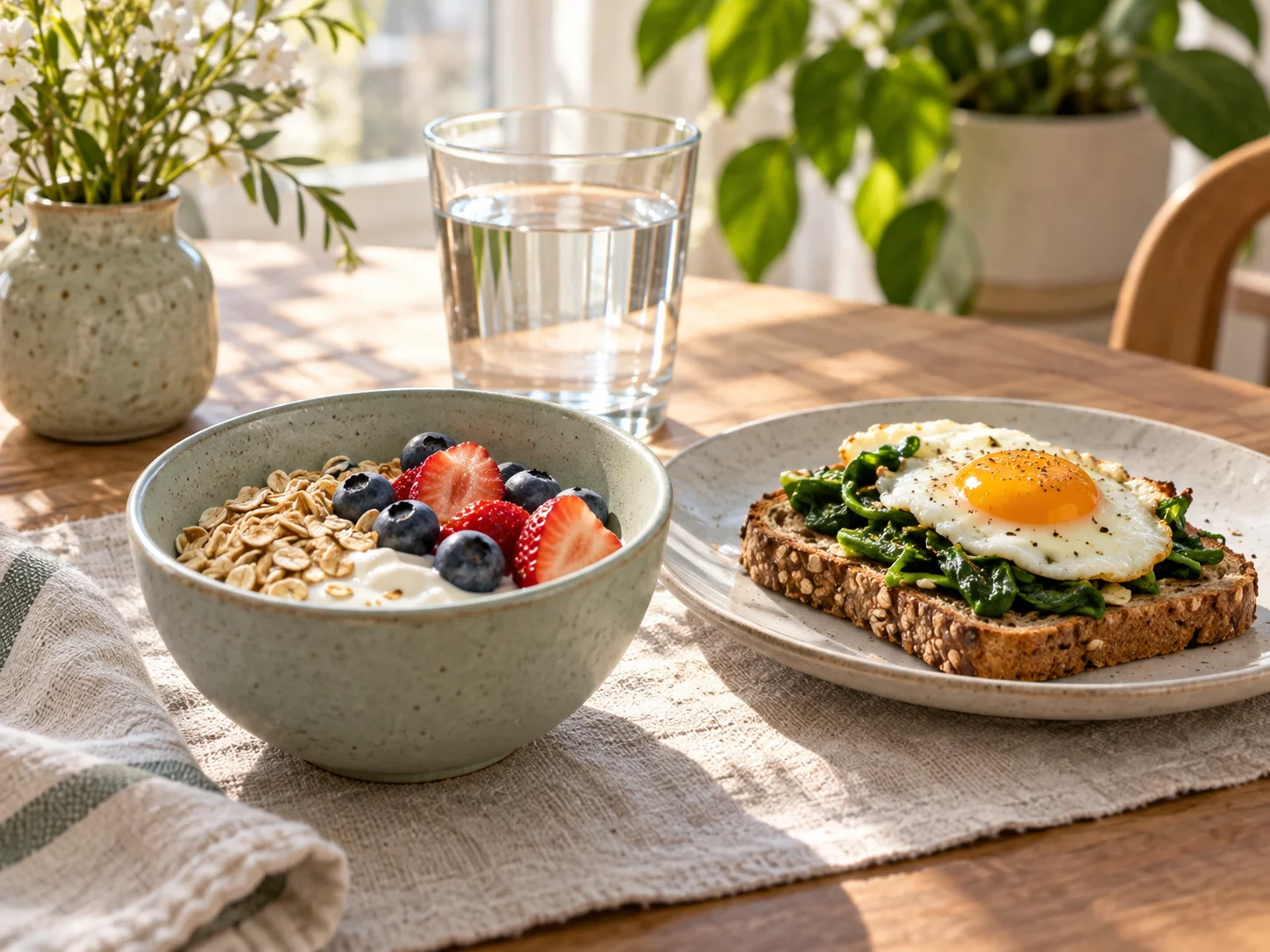
| Starches and grains | Oats, bread, rice, potatoes, tortillas, pasta | Toast with egg, oatmeal, rice with tofu, or a simple potato meal |
| Protein foods | Eggs, yogurt, beans, lentils, tofu, fish, chicken, or another familiar choice | Add one to a grain or vegetable you will eat |
| Flavor and fats | Olive oil, avocado, nut or seed butter, cheese, herbs, a sauce you like | Make a plain combination appealing; use the amount that suits you |
| Drinks | Water, milk or fortified plant beverage, unsweetened tea, another drink you tolerate | A drink with a meal or an ingredient for oats or a smoothie |
| Easy reserves | Canned soup, canned beans or fish, frozen grains or vegetables, shelf-stable crackers | A meal when fresh food or cooking time runs short |
Carbohydrates are not a forbidden aisle. Bread can make an egg into breakfast; rice can make beans and vegetables into lunch. You can choose whole-grain versions when you enjoy them, but a familiar food you will eat is more useful than a “perfect” purchase left untouched. Likewise, a frozen vegetable or canned bean can be as practical as fresh food when you want to open only what you need.
Decide quantities from the meals, not a universal GLP-1 rule
Before shopping, count the breakfasts, lunches, and dinners you expect to make at home until your next shop. Include anyone else who will eat those meals. Then attach each fresh purchase to a meal. If you have one breakfast at home and several early meetings, a large pack of fresh berries may be a poor fit; frozen berries or a piece of fruit you can carry may fit better. If your household finishes a large bag of spinach, there is no reason to buy a smaller one simply because one person takes a GLP-1 medication.
Try a two-column list on your phone: meals planned and ingredients needed. For example, “oatmeal twice, rice bowls twice, sandwiches once” suggests oats, a fruit, rice, vegetables, a filling for the bowls, bread, and a sandwich filling. Check your kitchen first, then write only what is missing. Buy fresh amounts for meals you can name and use a frozen or shelf-stable alternative where the week is uncertain. That is a way to adapt; it is not a rule to halve your old cart.
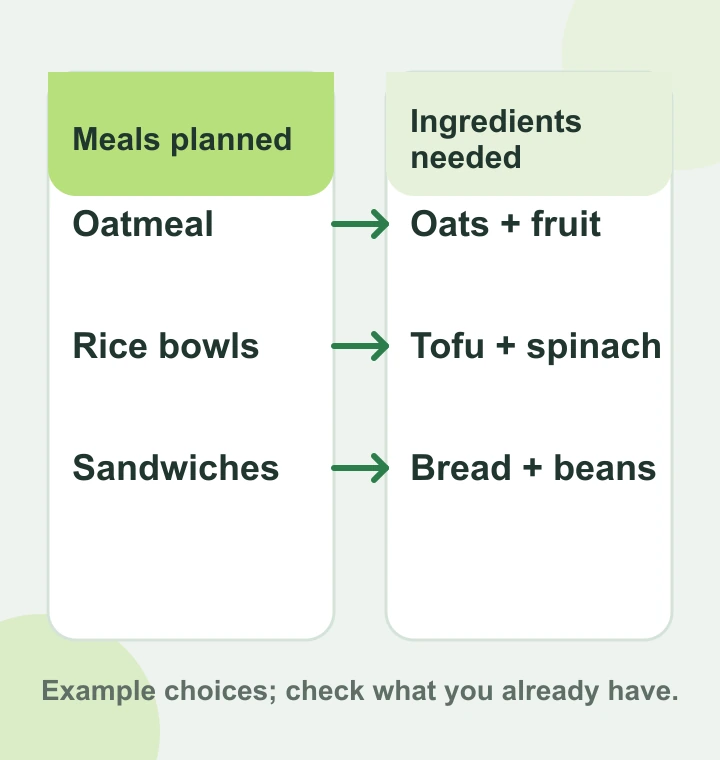
Name the meals first, then check which ingredients you still need.
Swap the food, keep the meal
Shopping gets easier when you know which part of a meal can change. If a food feels unappealing, is unavailable, or does not suit your dietary needs, replace its role rather than abandoning the whole meal.
| If your first choice does not fit | Keep the meal with |
|---|---|
| Hot chicken and rice sounds like too much work | Ready-to-eat tofu or canned beans with rice and a vegetable |
| A big salad has lost its appeal | Cooked or frozen vegetables in a soup or bowl |
| Yogurt is not for you | A fortified soy yogurt, eggs on toast, or another breakfast you like |
| A warm meal sounds unappealing | A chilled sandwich or yogurt with fruit, if those foods suit you |
| A fresh ingredient may go unused | Its frozen or canned counterpart where that works for the meal |
These are food choices, not promises that one texture or temperature will settle symptoms. Personal tolerances vary. If you need to avoid a food for an allergy, diabetes, kidney disease, or another condition, follow the guidance you have for that condition rather than a generic shopping list.
Make one small cart work in several ways
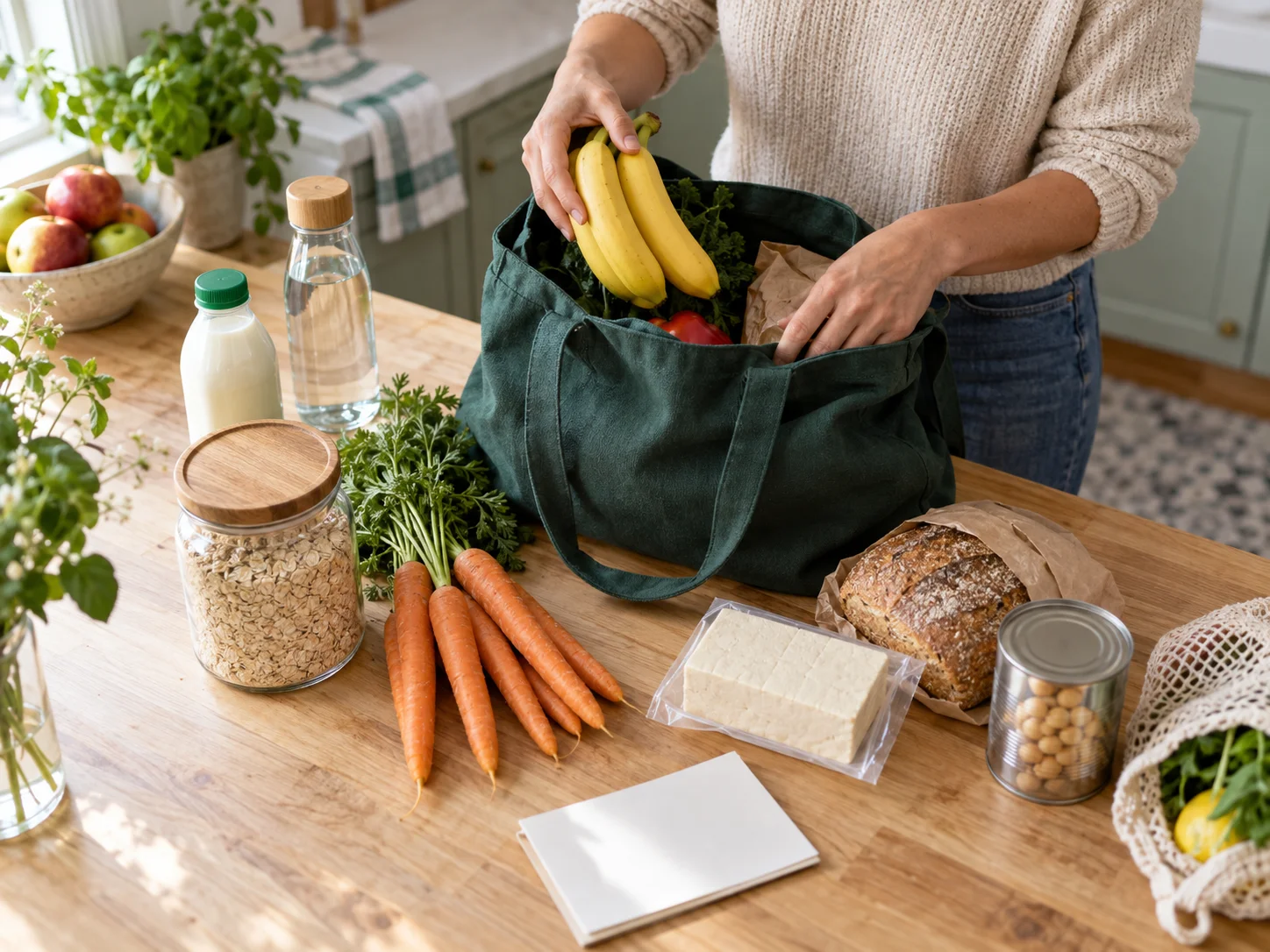
For one adult shopping for a few at-home meals, an example cart might be oats, bread, bananas, carrots, a bag of frozen spinach, eggs, tofu, canned beans, milk or a fortified plant beverage, and a soup you like. Oats, banana, and milk make breakfast; tofu, rice already in the pantry, and spinach make a bowl; beans, carrots, and soup make another meal. Add or remove foods according to what you own, how often you eat at home, and who shares your food. The example is deliberately a set of meals, not a calorie or protein prescription.
If your question is specifically how to compare protein foods, package sizes, and the cost of usable portions, use our high-protein grocery list. For a morning menu you can actually prepare from these ingredients, try GLP-1 breakfast ideas.
On the next shopping trip, notice which foods became meals and which stayed unopened. That is enough feedback to change one purchase. If you want to keep that context in one place, the Glowise Food and Protein Tracker can help you record what you actually ate. If eating remains difficult rather than merely changing from week to week, the low-appetite guide covers that separate question and when to seek individual support.
Sources

About the author
Maya Lee
Glowise Senior GLP-1 Content Editor
Maya Lee is a Glowise Health Content Editor. Her guides turn product records, authoritative sources, and everyday organization questions into clear, practical GLP-1 information.
She helps readers ask better questions and keep the details relevant to a care conversation together.
See more Glowise on Google
Add Glowise as a preferred source to find our GLP-1 guides more easily in Google Search.