Quick Answer
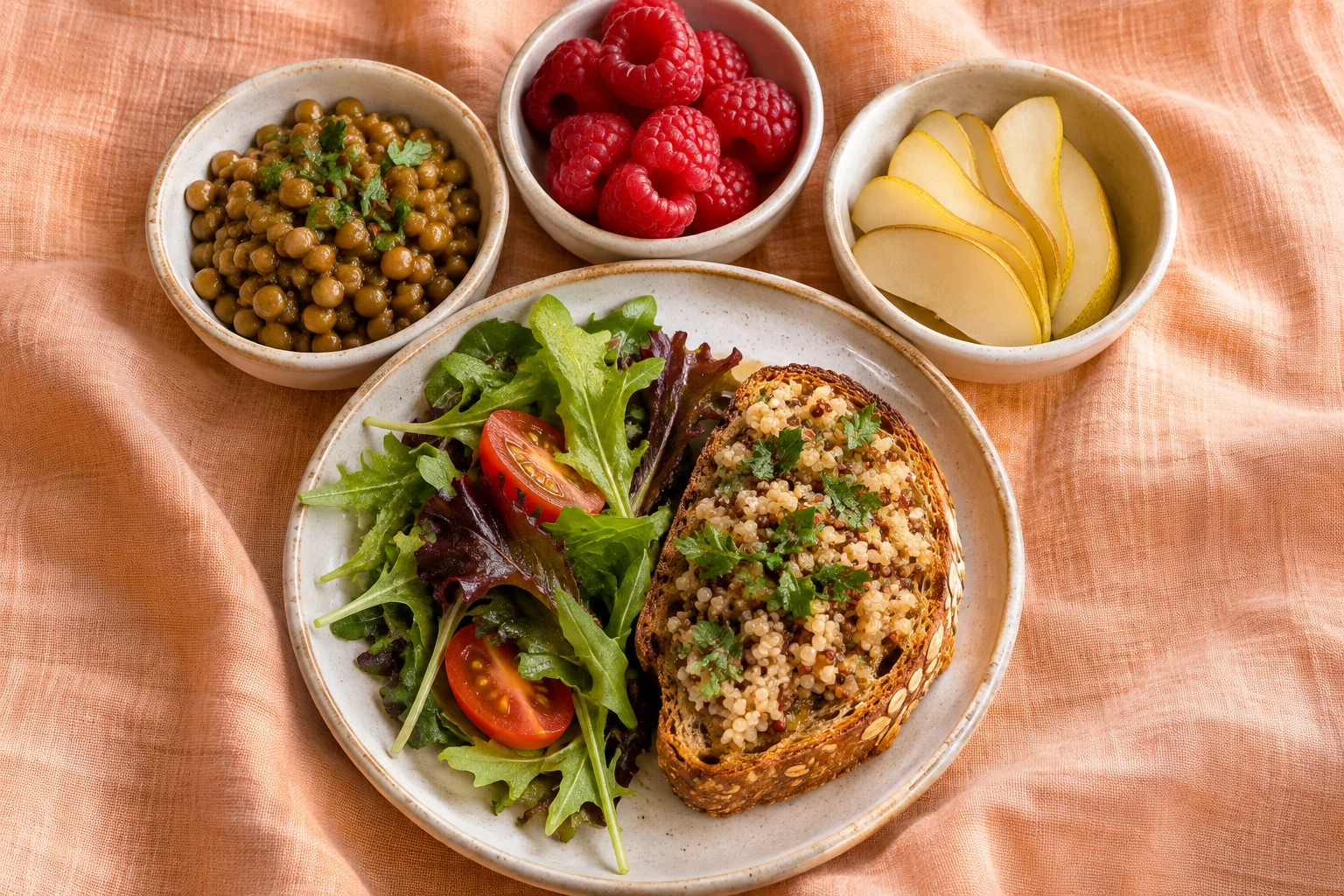
- Start with a meal or snack you already finish. Choose a small fiber portion, such as two tablespoons of cooked lentils stirred into rice or a few raspberries with yogurt.
- Spread the additions across the day. Try one change first, increase gradually if it feels comfortable, and keep fluids within any limit your clinician has set.
- Keep a prescribed low-fiber plan. Seek medical care right away for severe or persistent abdominal pain, repeated vomiting, or constipation with inability to pass gas.
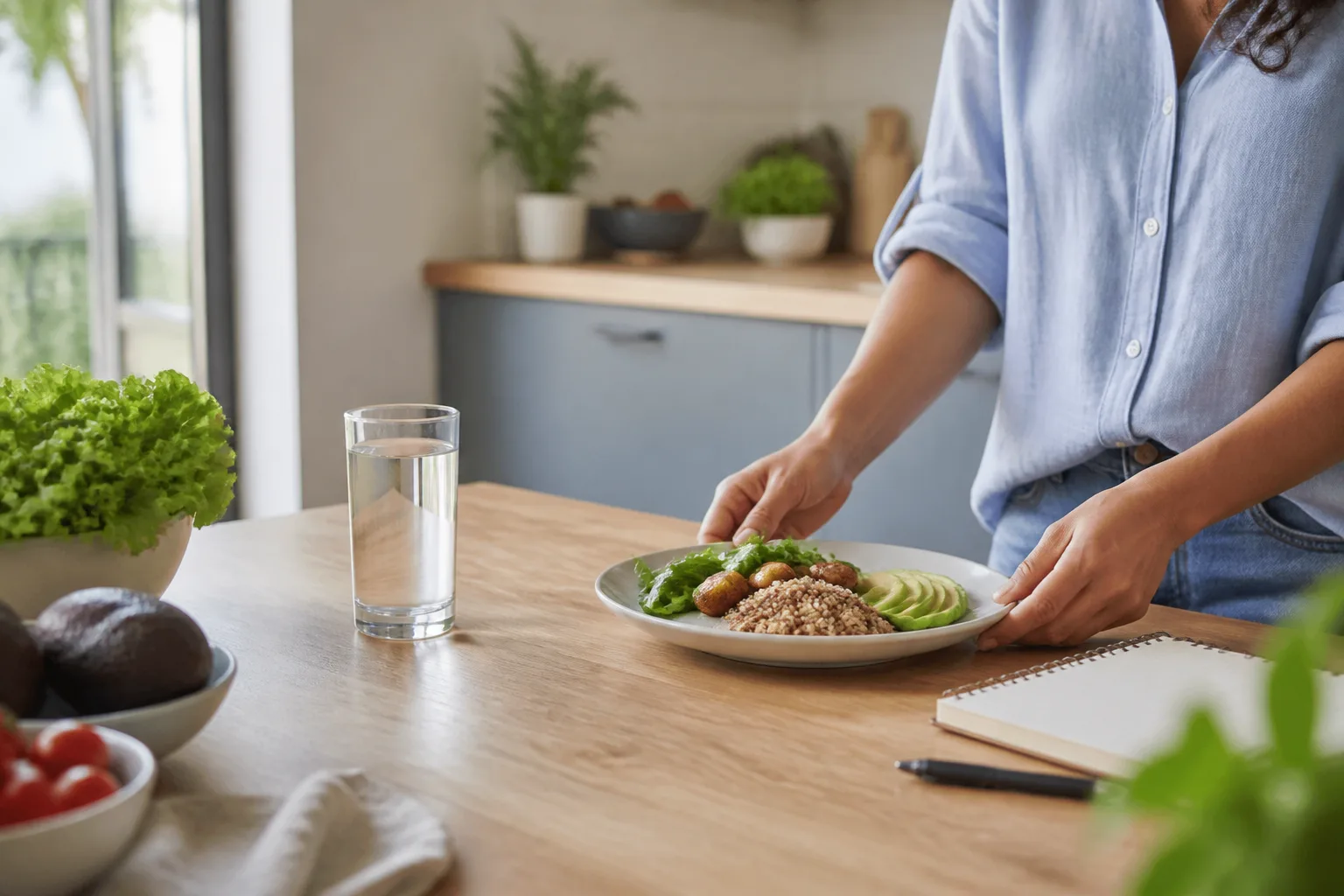
When appetite drops on a GLP-1, the side dishes are often what disappear. A smaller lunch might still include the chicken and rice, while the beans or vegetables never make it onto the plate. You can get more fiber into a meal of the same size by choosing a food that gives you more fiber in a portion you can comfortably eat.
Choose a small fiber portion
Decide how much room you actually have. If you can eat another two spoonfuls, compare two spoonfuls of foods you like. If the meal already feels like enough, try replacing part of a familiar side. A quarter-cup of cooked lentils, for example, supplies more fiber than a half-cup of cooked broccoli (about 4 g versus 3 g). Broccoli can still fit when it's the food you want and tolerate. The comparison is about the space on your plate.
| Food | A small portion | Approximate fiber | One way to use it |
|---|---|---|---|
| Cooked lentils | 2 tablespoons | 2 g | Replace a little rice in a bowl |
| Cooked black beans | 1/4 cup | 4 g | Mix into eggs or a taco filling |
| Raspberries | 1/4 cup | 2 g | Have alongside yogurt |
| Pear | 1/2 medium, with skin | 3 g | Split a pear across two snacks |
| Cooked bulgur | 1/4 cup | 2 g | Use it for some of the grain in a meal |
Portions are scaled from the USDA and HHS fiber chart and rounded. The amounts depend on food size and preparation. Measure lentils or bulgur after cooking to use these estimates. For a bowl of lentil soup, use its own label or recipe because some of that volume is broth.
How do you compare two foods from their labels?
Find the grams of dietary fiber and check the serving size. A cereal with 8 g of fiber per cup gives you about 2 g in a quarter-cup. A different cereal with 4 g per half-cup gives you about 2 g in the same quarter-cup. The first label shows a bigger number because it uses a bigger serving in this example. Compare the amount you would eat.
The FDA uses a 28 g Daily Value for dietary fiber on Nutrition Facts labels, based on a 2,000-calorie reference diet. That gives you a common comparison across packages. Your needs may differ from the label reference. FDA Nutrition Facts guidance.
Spread the additions across the day
Find two places where a small portion would fit. For example, a quarter-cup of berries alongside breakfast and two tablespoons of lentils in lunch would add about 4 g across those meals. If breakfast is a difficult time to eat, put the berries beside a snack later. Those are two additions to a day of eating, with the rest of your fiber coming from other foods.
Start with one of those additions. If your meals still feel comfortable and your appetite allows, add another portion at a different time. If the first amount leaves you uncomfortably full or bloated, try a smaller amount or a different food when you're feeling better. The useful portion is the one that leaves room for the rest of the meal, including protein. Increase fiber gradually and keep drinking fluids in line with any medical advice you already follow. NIDDK guidance on gradually adding fiber and choosing fluid intake.
If you keep missing meals or are struggling to eat or drink enough, bring that pattern to your care team. The GLP-1 nutrition guide covers meals more broadly, and the GLP-1 grocery list can help when you know which portions work for you.
When should you pause the fiber increase?
Follow any low-fiber plan that your clinician has prescribed. For gastroparesis, for example, the advice may include lower-fiber foods and a change in texture. NIDDK gastroparesis nutrition guidance.
Seek medical care right away for severe or persistent abdominal pain, repeated vomiting, or constipation with inability to pass gas. If the ongoing concern is constipation, see our GLP-1 constipation guide for symptom-specific next steps. NIDDK symptoms that require medical care.

About the author
Maya Lee
Glowise Senior GLP-1 Content Editor
Maya Lee is a Glowise Health Content Editor. Her guides turn product records, authoritative sources, and everyday organization questions into clear, practical GLP-1 information.
She helps readers ask better questions and keep the details relevant to a care conversation together.
See more Glowise on Google
Add Glowise as a preferred source to find our GLP-1 guides more easily in Google Search.