Tooth decay is not an established direct effect of Ozempic. The current US prescribing information lists digestive effects including nausea and vomiting, but it does not list cavities or dry mouth as adverse reactions. That does not mean a new dental problem should be ignored. Vomiting can expose teeth to stomach acid, and a persistently dry mouth can raise cavity risk. Both deserve attention on their own terms, whether or not Ozempic contributed.
This distinction matters if you have noticed sensitivity or a new cavity since starting treatment. A change after a prescription is a useful timeline, not a diagnosis. Your dentist can look for decay, enamel erosion, gum problems, or another explanation while your prescriber reviews any digestive symptoms.
What has actually been established?
Ozempic's US prescribing information reports nausea and vomiting among its common adverse reactions. Reports described online as “Ozempic teeth” group together several different problems—dryness, bad breath, sensitivity, erosion, and decay—and do not show that they share one cause.
There are plausible indirect routes. Repeated vomiting may bring acid into the mouth; frequent acid exposure can wear enamel. Separately, saliva helps wash food from teeth and protect against decay. MedlinePlus explains that ongoing dry mouth increases the risk of tooth decay and oral infection. But the Ozempic label does not establish dry mouth as a common Ozempic reaction, and a dry mouth can have other causes, including other medicines and medical conditions. A person with a cavity and dry mouth needs an examination, not an automatic assignment of blame to a GLP-1 medicine.
Decay and erosion are different dental questions
A cavity is tooth decay. Dental erosion is loss of tooth structure from acid that is not produced by cavity-causing bacteria. Either can make teeth sensitive, and a person can have both. The distinction changes what your dentist looks for and what might help. If you have been vomiting or experiencing reflux, mention it explicitly rather than reporting only “tooth pain.” If your mouth feels sticky or you need water to swallow dry food, mention that too.
A useful record for your dental visit
You do not need to prove the cause before booking an appointment. Write down when the oral change began, the tooth or area affected, and whether the change is sensitivity, pain, visible damage, bleeding, or dryness. Note when Ozempic was started or the prescribed dose changed, any episodes of vomiting or reflux, and any change in other medicines. Bring the date of your last dental visit and whether the issue was present then.
That record helps your dentist separate a new pattern from an older problem. It also gives your prescriber concrete information if nausea or vomiting is making it hard to eat, drink, or care for your teeth. Your dentist can advise whether you need treatment for decay or erosion and whether fluoride or dry-mouth measures fit your situation. If symptoms persist or worsen, contact the relevant clinician rather than changing or stopping a prescription on your own.
Protect your mouth while you seek an answer
The basic protections remain useful regardless of the cause: brush with fluoride toothpaste, clean between teeth, and keep routine dental care. If your mouth is dry, sip water and ask your dentist or pharmacist whether a saliva-support product is appropriate. MedlinePlus also recommends avoiding tobacco and limiting drinks that can worsen dryness. If you vomit, rinse your mouth with water and tell your dentist if it is happening repeatedly. Acid can temporarily soften enamel, and ADA guidance advises against brushing immediately after vomiting. Ask your dentist for advice about brushing and enamel protection after an episode.
New pain, a broken tooth, or persistent sensitivity calls for a dental assessment. If vomiting continues or you cannot keep fluids down, contact your prescribing clinician promptly. The point is to address the actual oral and digestive problems while their causes are still being worked out.
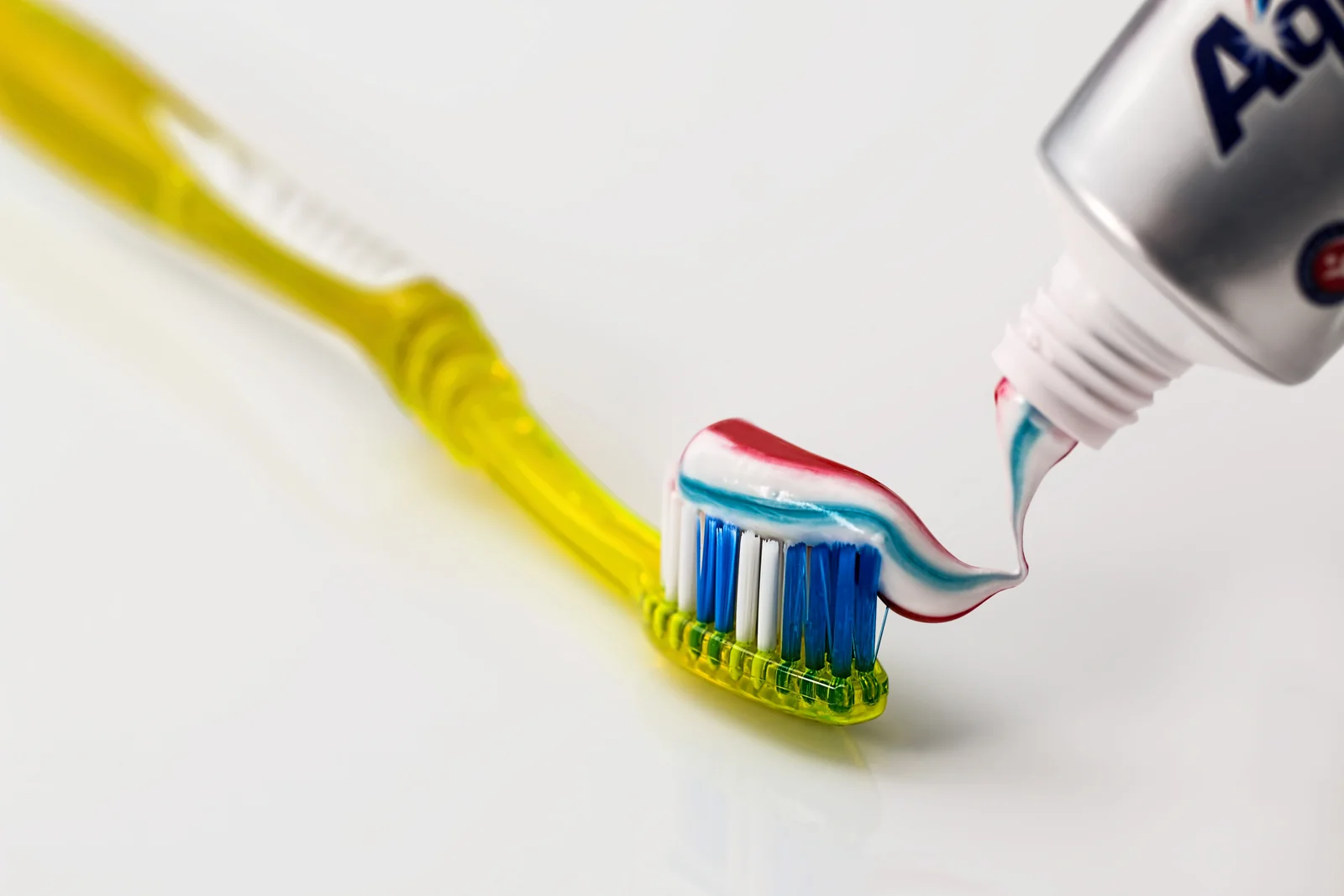
Cover photo: Steve Buissinne, South Africa via Wikimedia Commons, CC0 1.0. Resized and converted to WebP.

About the author
Maya Lee
Glowise Senior GLP-1 Content Editor
Maya Lee is a Glowise Health Content Editor. Her guides turn product records, authoritative sources, and everyday organization questions into clear, practical GLP-1 information.
She helps readers ask better questions and keep the details relevant to a care conversation together.
See more Glowise on Google
Add Glowise as a preferred source to find our GLP-1 guides more easily in Google Search.