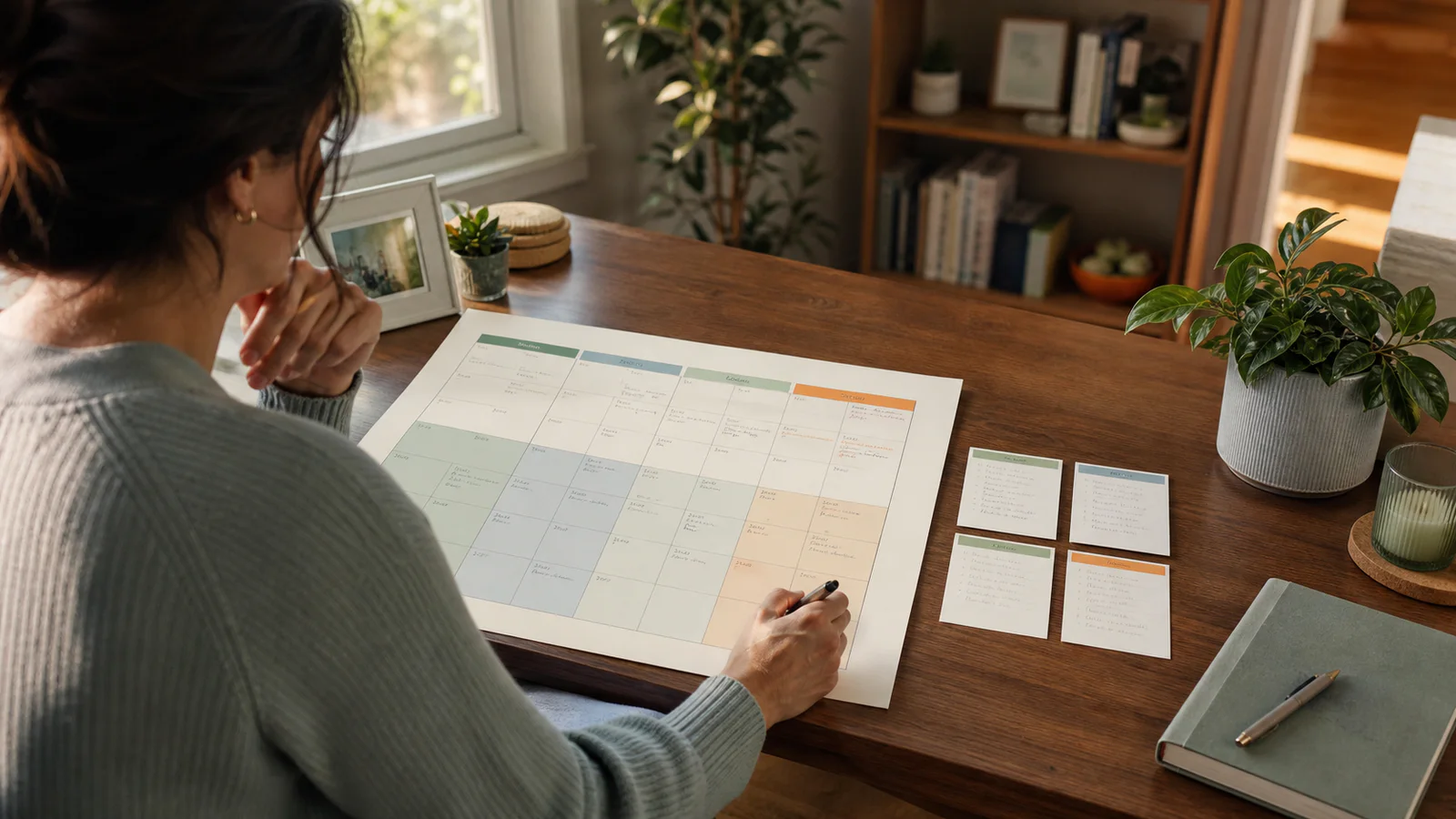
Zepbound dry mouth can feel like a question that needs an immediate answer. Begin instead with a short record: note when you noticed it, what else was going on that day, how it affected you, and what you want to ask. That gives you something concrete to revisit with the person who knows your prescription and care.
The record cannot tell you what caused the feeling or what should change in your treatment. Its job is smaller and useful: it keeps a few days from blurring into one vague memory.
Start with the exact Zepbound information
When a new feeling shows up, it is tempting to search for one clean answer. Start instead with the information that came with the exact prescription you use. Product information gives you a reliable place to check listed effects, instructions, and the contact details that apply to your medicine.
General articles can help you put an experience into words, but they cannot see the rest of your health history, other medicines, or the details of your prescription. Keeping those jobs separate makes your next step clearer.
Use a record to hold the question
Try writing the question before you write the explanation. “My mouth felt dry on these days—what details matter here?” leaves room for the right person to assess the context. “This medicine caused it” closes that conversation before it begins.
That shift may sound small, but it changes the kind of note you keep. You are collecting useful context, not building a case against your routine.
Build a short dry-mouth record
A helpful note can fit on one line. You do not need to monitor every moment or turn the day into a project. Start with four fields: time, context, observation, and question.
| Field | What to capture | Example prompt |
|---|---|---|
| Time | When you first noticed it and whether it returned | “When did I first notice this today?” |
| Context | A few ordinary details around the moment | “What was happening around then?” |
| Observation | What felt different and what it affected | “What could I feel or do differently?” |
| Question | The one thing you want clarified | “What do I need help understanding?” |
Write down timing
Use a plain landmark rather than trying to create a perfect timeline: after waking, during a commute, after a meal, or near bedtime. If you notice the same feeling more than once, add another line. A few honest timestamps are more useful than a reconstructed week.
Add the day around it
Context can include a meal, a change in sleep, a long meeting, a workout, travel, or anything else you genuinely remember. The purpose is not to make a long list of possible causes. It is to preserve the ordinary details that may otherwise disappear before you ask about them.
Name the impact without judging it
Describe what the feeling changed for you: perhaps your mouth felt sticky while speaking, you noticed it on waking, or it was simply distracting. Avoid rating the experience as proof that something is serious or harmless. Your own words are enough.
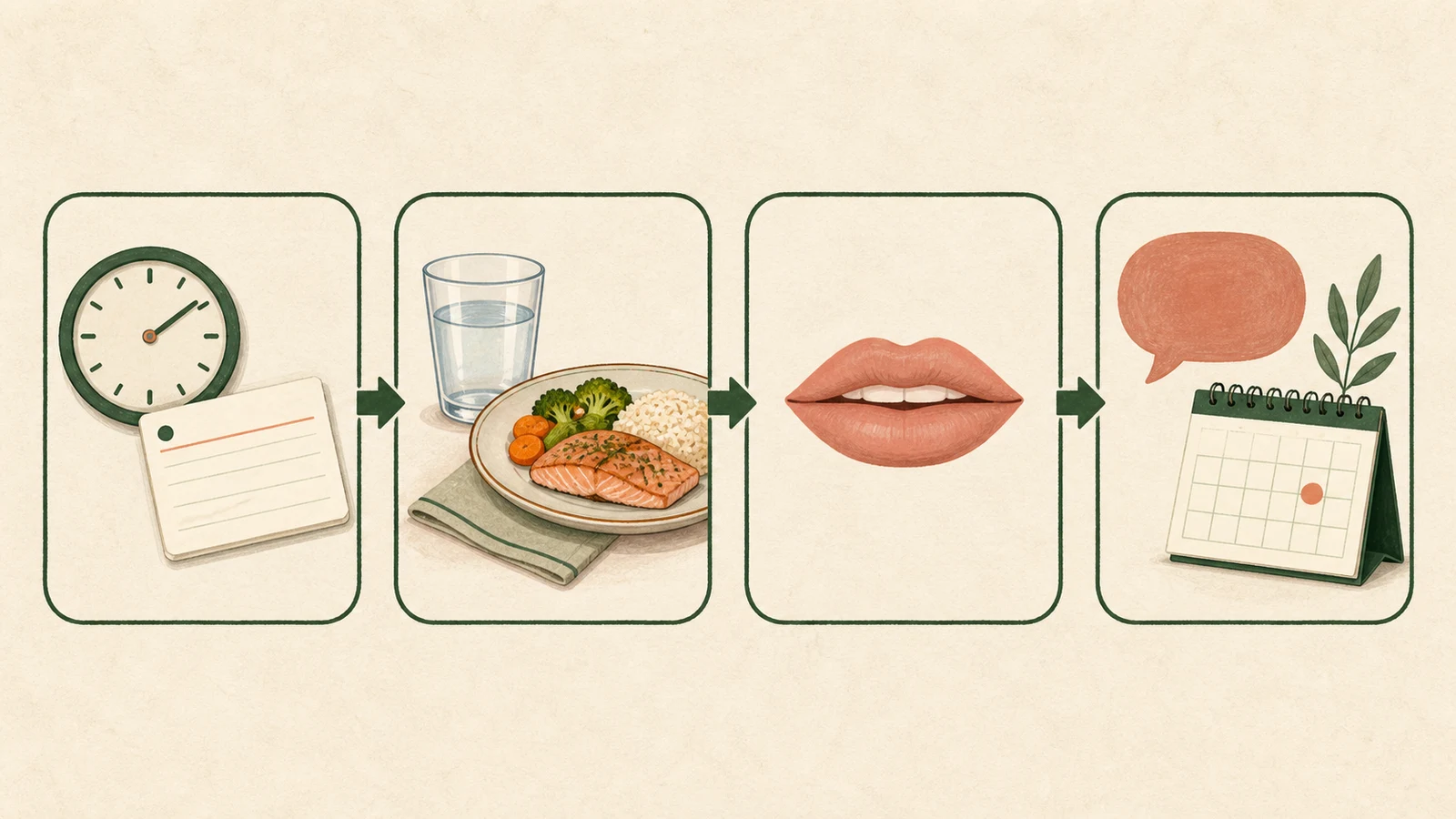
If you prefer not to keep the note in several places, you can keep side-effect context together with the rest of the routine details you already want to remember.
Notice variation without deciding the cause
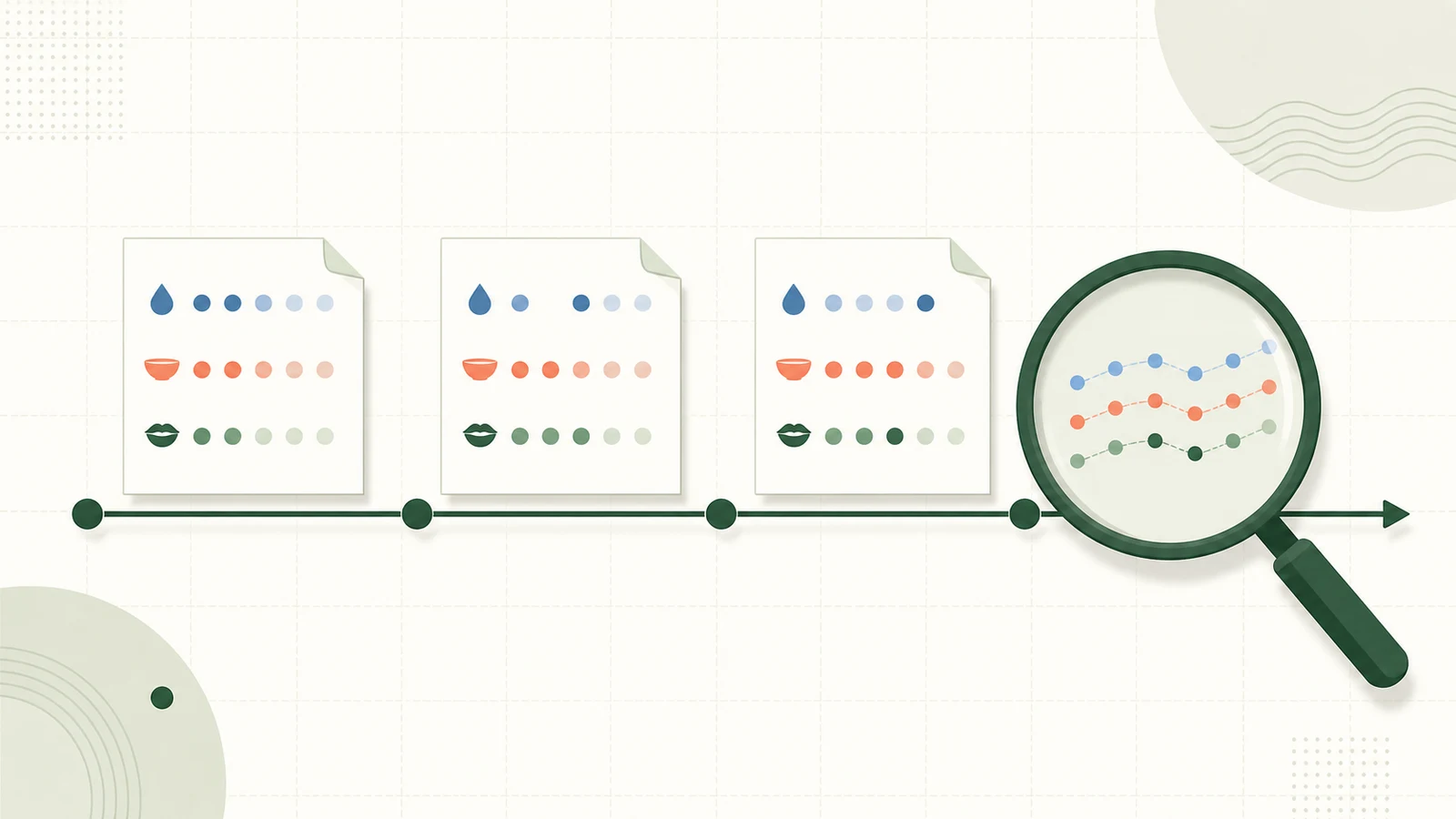
One dry day and a repeated pattern are both worth writing down. Neither one, by itself, tells you why it happened. This is where a small record earns its keep: it lets you notice variation without turning every change into a verdict.
For example, your notes may show that the feeling came and went, showed up at a certain point in the day, or did not line up with the details you expected. That is useful information to bring forward. It is not a reason to change a dose, skip a medicine, or make a treatment decision on your own.
A pattern is not a verdict
Patterns are prompts for better questions. They can help you say, “I noticed this three times, and here is what was happening around each time.” They cannot answer whether the medicine, another medicine, a routine change, or something else explains the pattern.
This distinction protects your attention. Instead of spending the week trying to solve a medical puzzle, you can keep a clear record and save the puzzle for the appropriate conversation.
Prepare a clear follow-up question
Before a visit, message, pharmacy call, or conversation, read your note once and circle the one question that remains. A focused question is easier to answer than a long story with no starting point.
You might ask what information from your record matters, whether the exact product information has guidance relevant to your experience, or whether another part of your routine should be considered. The answer may depend on details this article cannot know, which is exactly why the note helps.
Keep the question short enough that you could say it without rereading a page of notes. Bring the dates or landmarks with you if they help you remember the sequence.
Keep the rest of your routine in view
Dry-mouth notes do not need to live alone. A day already has meals, water, sleep, work, activity, and the small changes that make a routine feel different. Keeping a little of that context beside the observation can make the record easier to revisit later.
The goal is not to turn those details into a treatment plan. It is to avoid the common moment when you remember the feeling but cannot remember the day around it. If food and water are already part of your normal tracking, bring routine notes together so the context remains simple.
Use context without turning it into a treatment plan
Write down what you actually noticed, not what you think you should have done. A note such as “long drive, late lunch, dry mouth on the ride home” is specific enough to be useful. It does not need a diagnosis attached to it.
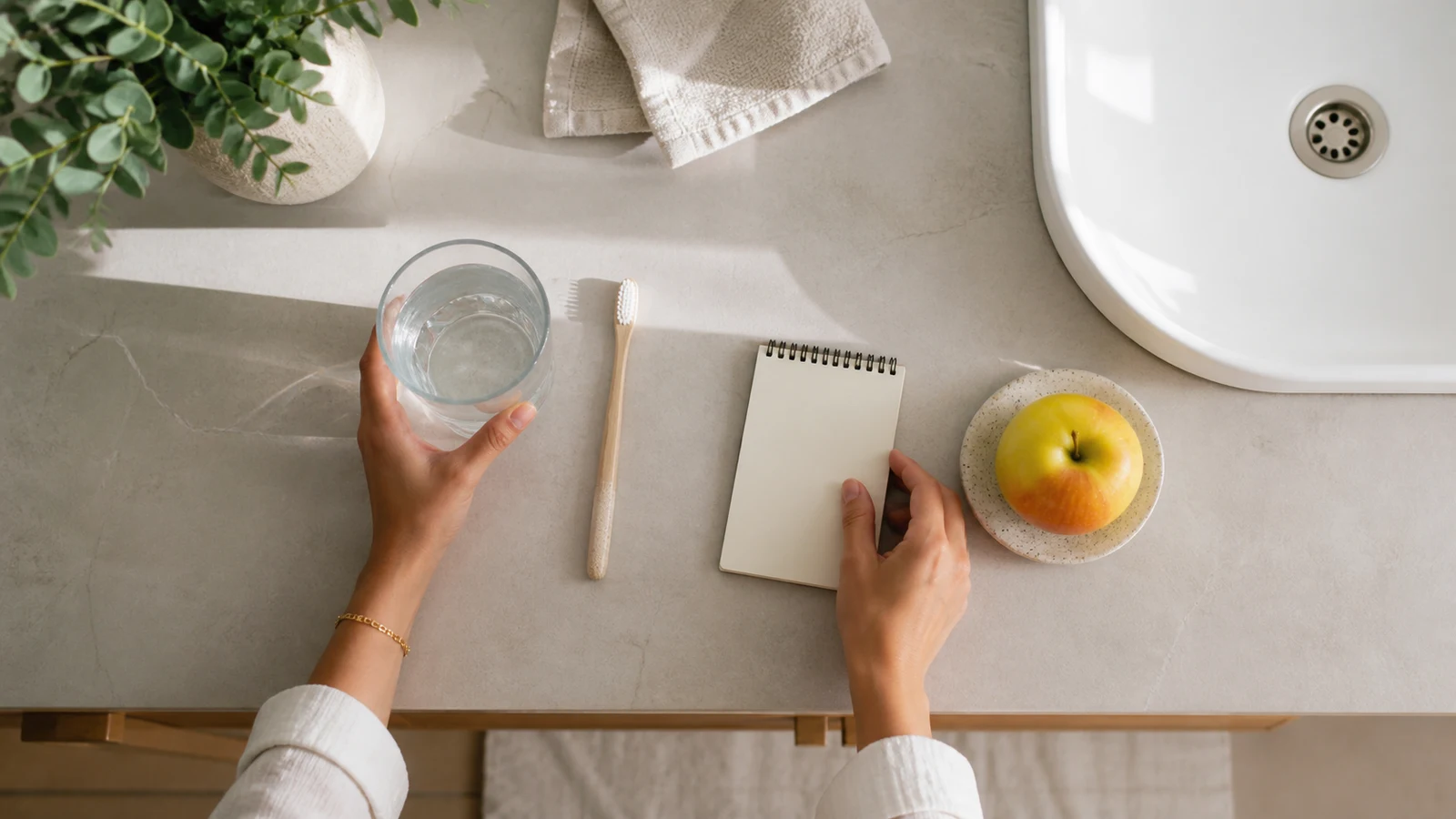
When you see the notes together, look for clarity rather than certainty. Which details would help you explain the experience in one or two sentences? Which question is still unanswered? Those are the parts worth carrying forward.
Make the next note easier
The best tracking habit is usually the one you can repeat on an ordinary day. Keep the format short, use your natural language, and return to it only when there is something worth noting. A small record can make a follow-up feel less intimidating without asking you to become your own clinician.
Glowise can keep medication, meals, water, side-effect notes, weight, and progress in one place, so the details you choose to record are easier to find later.
A calmer place for the details
Keep your GLP-1 routine in one place
Bring medication, meals, water, side-effect notes, and progress together for a clearer weekly review.
The practical takeaway
Your next useful note
- Start with the information for your exact prescription.
- Record timing, context, observation, and one question.
- Let a repeat pattern guide a conversation, not a conclusion.
- Keep only the details you would want to remember later.
Frequently asked questions
Can a note tell me what caused dry mouth?
No. A note can preserve timing and context, but it cannot determine the cause of an individual experience. Its value is making your next question more specific.
What details are useful to write down?
Start with when you noticed the feeling, what was happening around then, how it affected you, and the one question you want answered. A few clear lines are enough.
Should I change my Zepbound routine based on a dry-mouth note?
Do not use a general article or a personal note to make treatment or dose changes. Use the note to prepare a question for the professional or product information that applies to your prescription.
Can Glowise diagnose a symptom from my notes?
No. Glowise helps organize routine and tracking context. Your notes can support a conversation, but they do not diagnose a symptom or replace individualized care.
Sources

About the author
Maya Lee
Glowise Senior GLP-1 Content Editor
Maya Lee is a Glowise Health Content Editor. Her guides turn product records, authoritative sources, and everyday organization questions into clear, practical GLP-1 information.
She helps readers ask better questions and keep the details relevant to a care conversation together.
See more Glowise on Google
Add Glowise as a preferred source to find our GLP-1 guides more easily in Google Search.